NeuroPatrol
A downloadable BCI-VR game
Reimagining BCI-VR (Brain-computer Interface-Virtual Reality) through Inclusive, Neuroadaptive Game Design
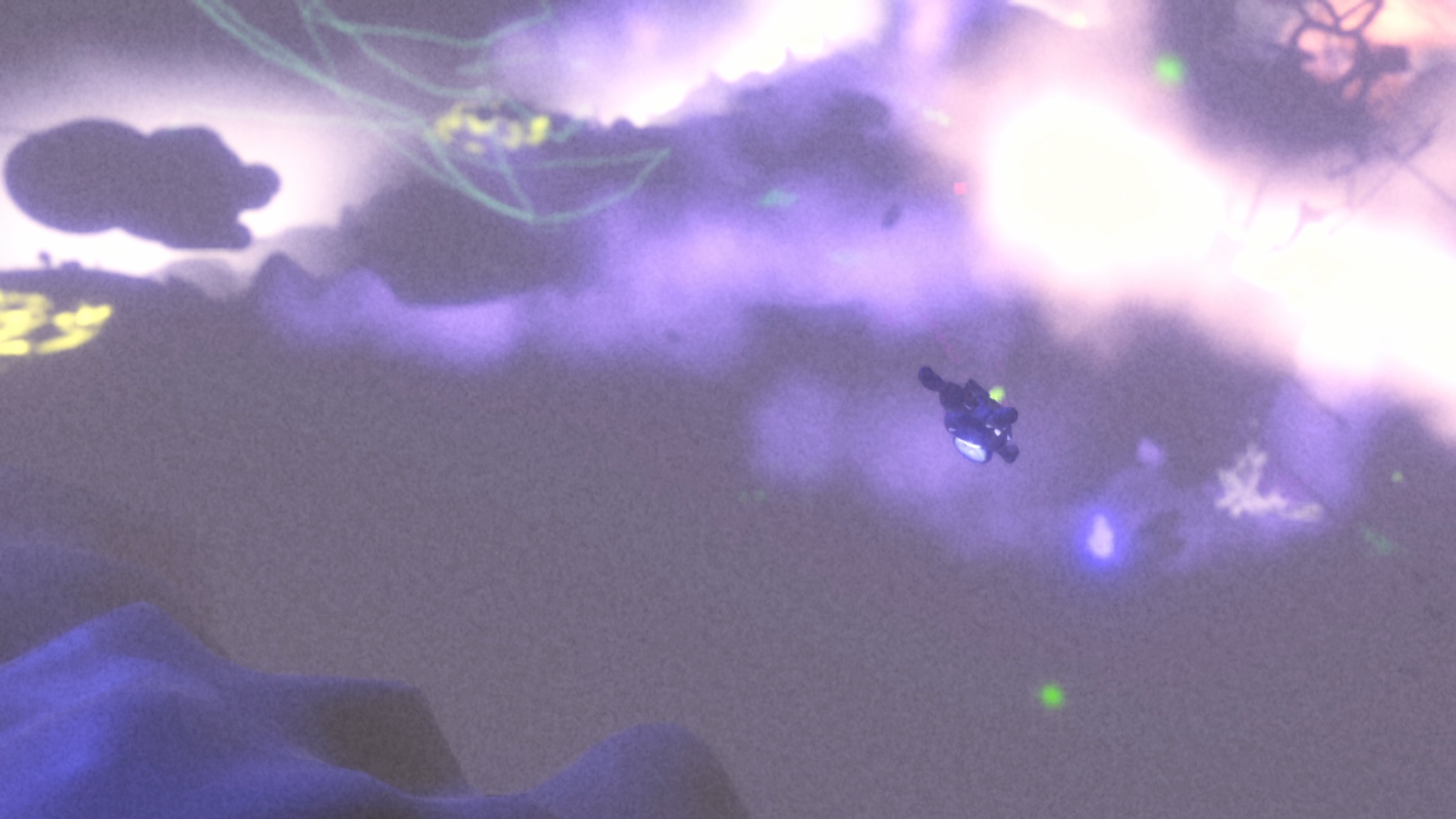
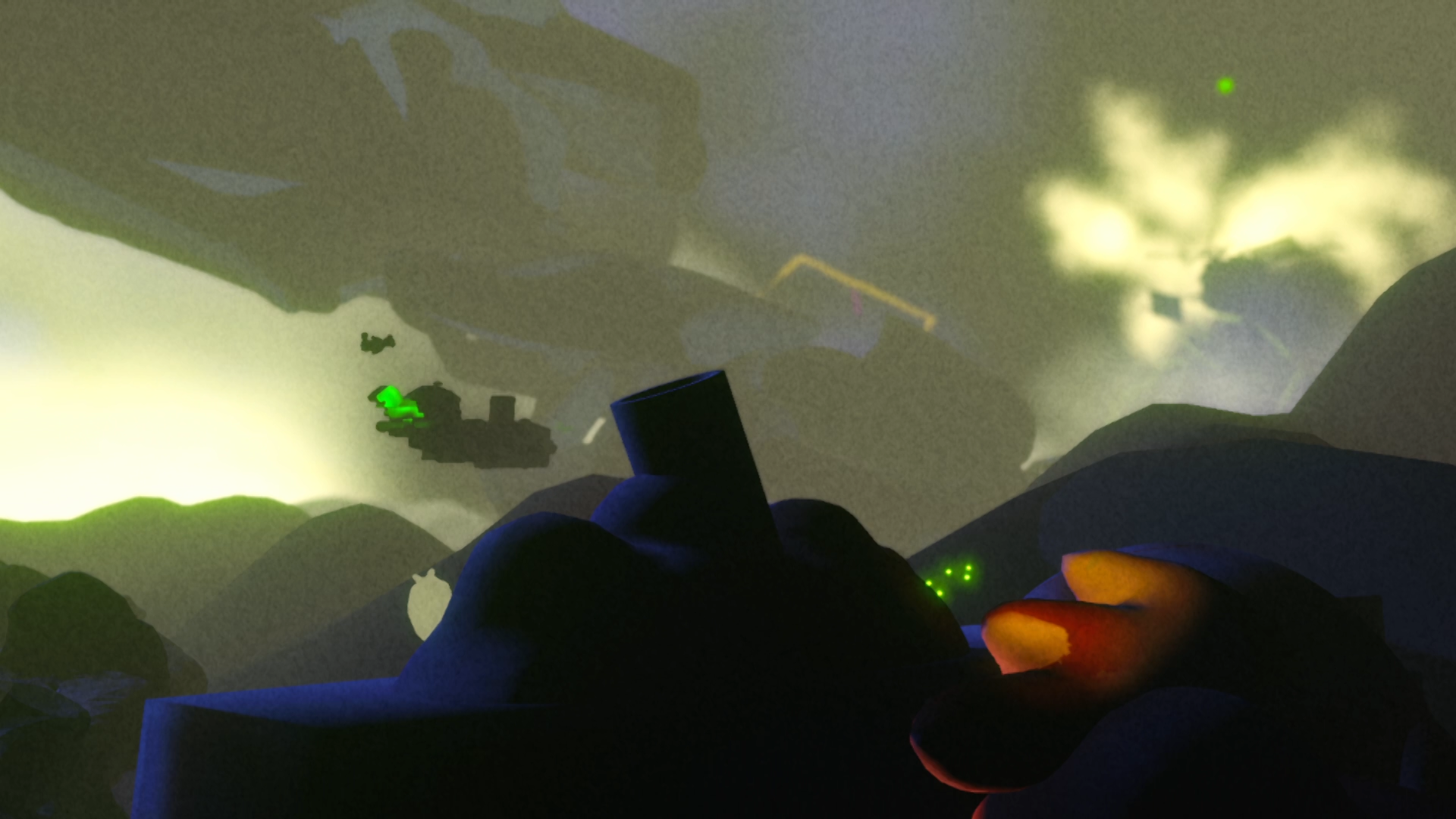
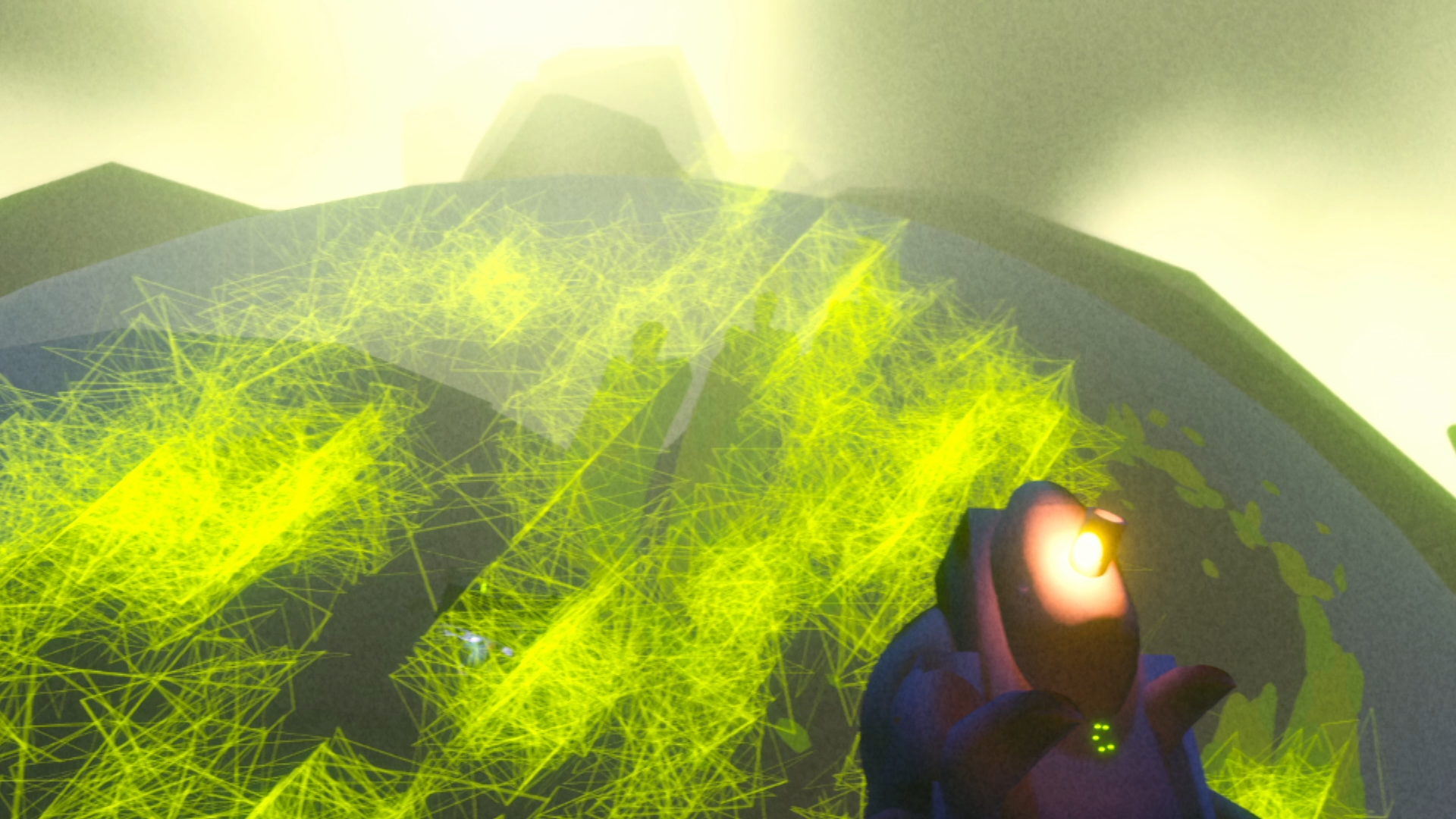
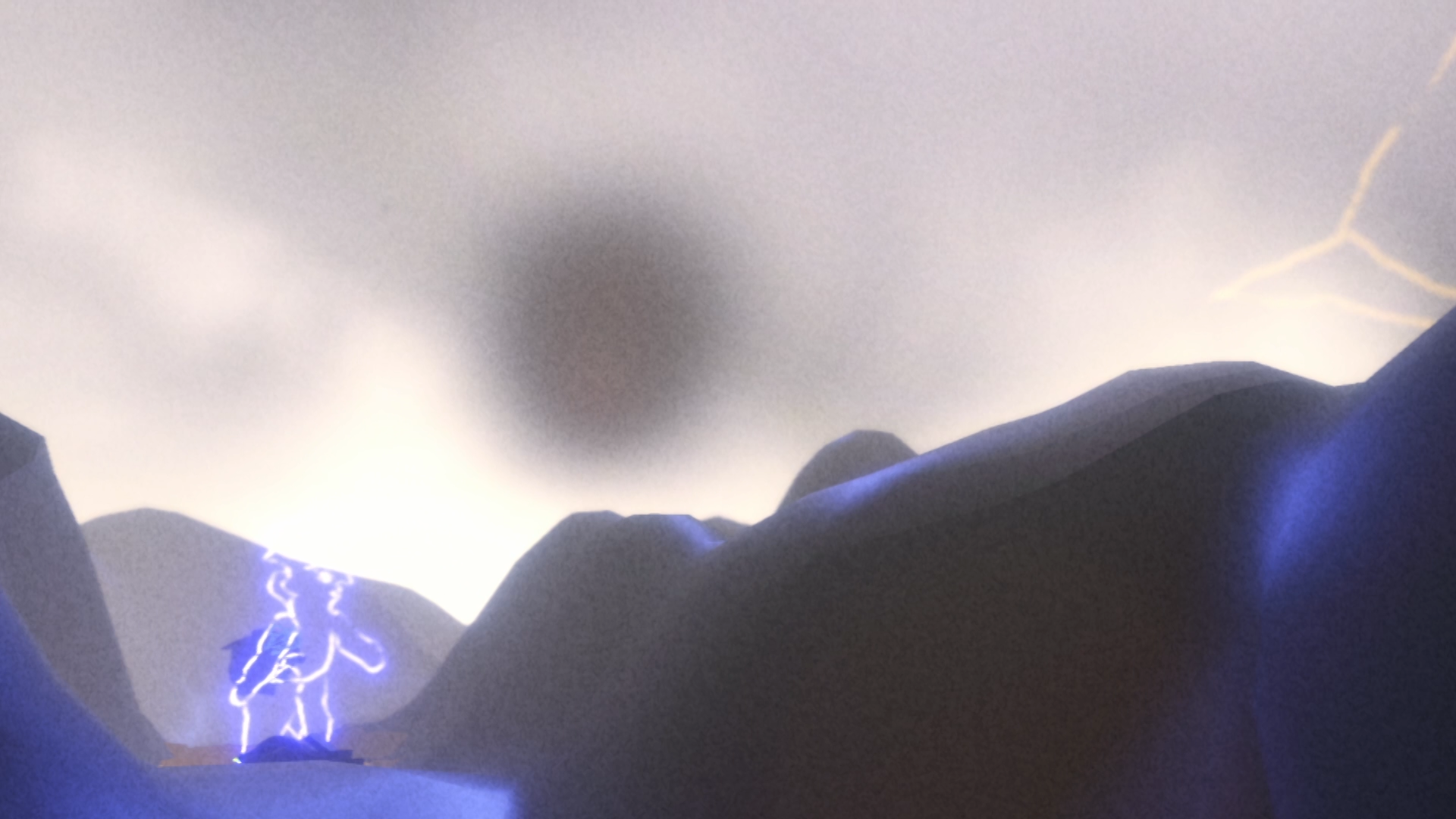
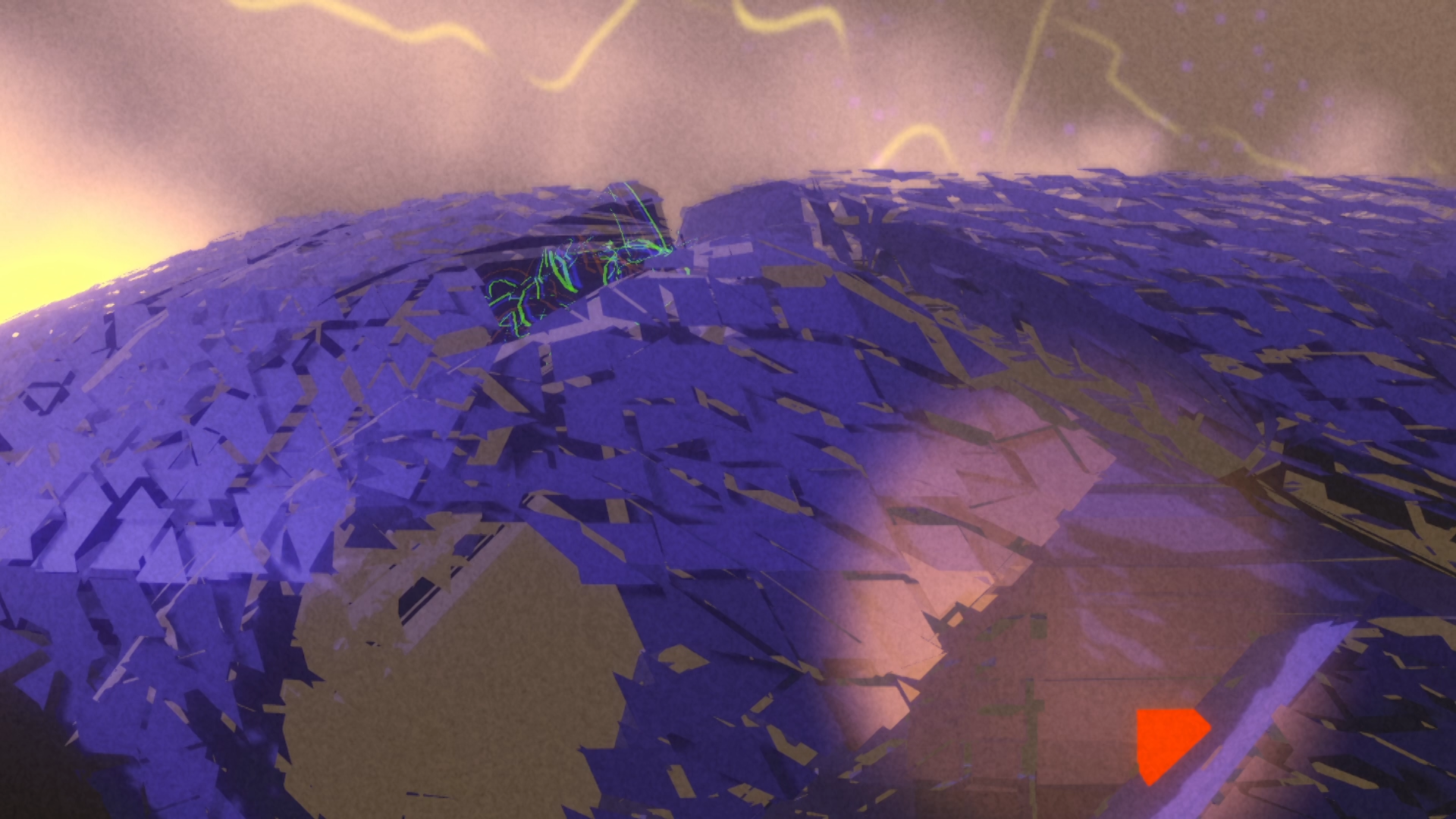
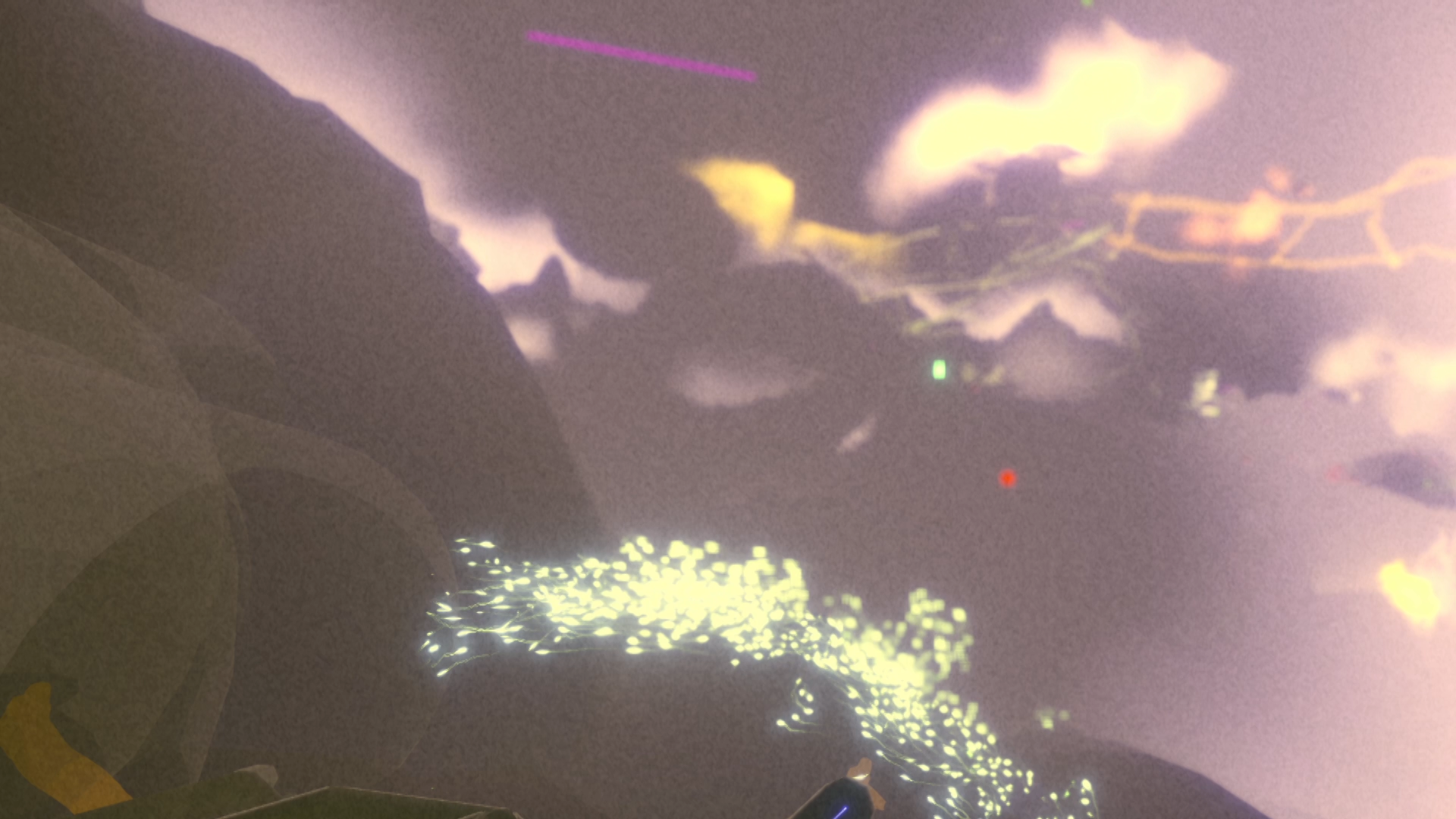
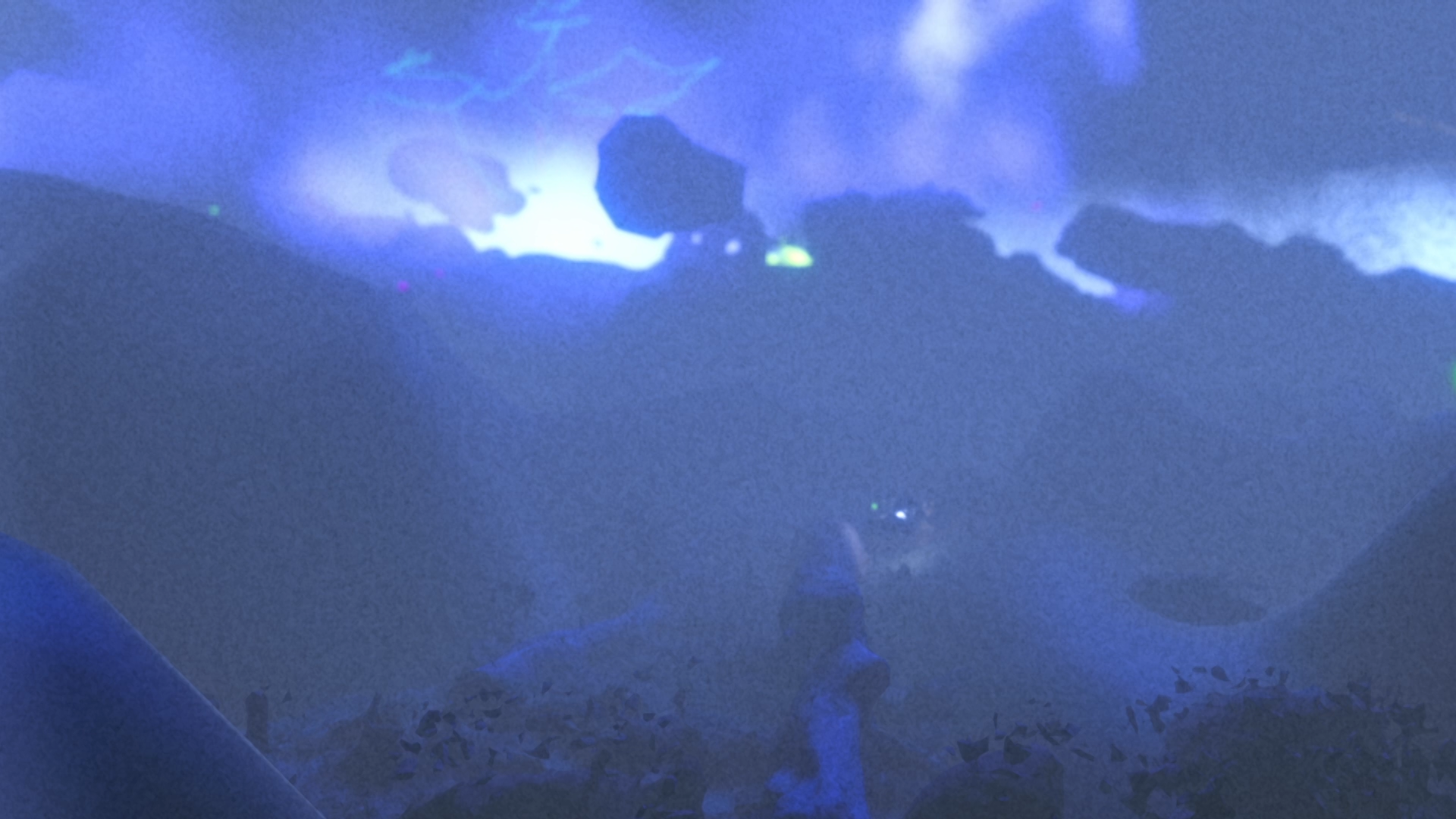
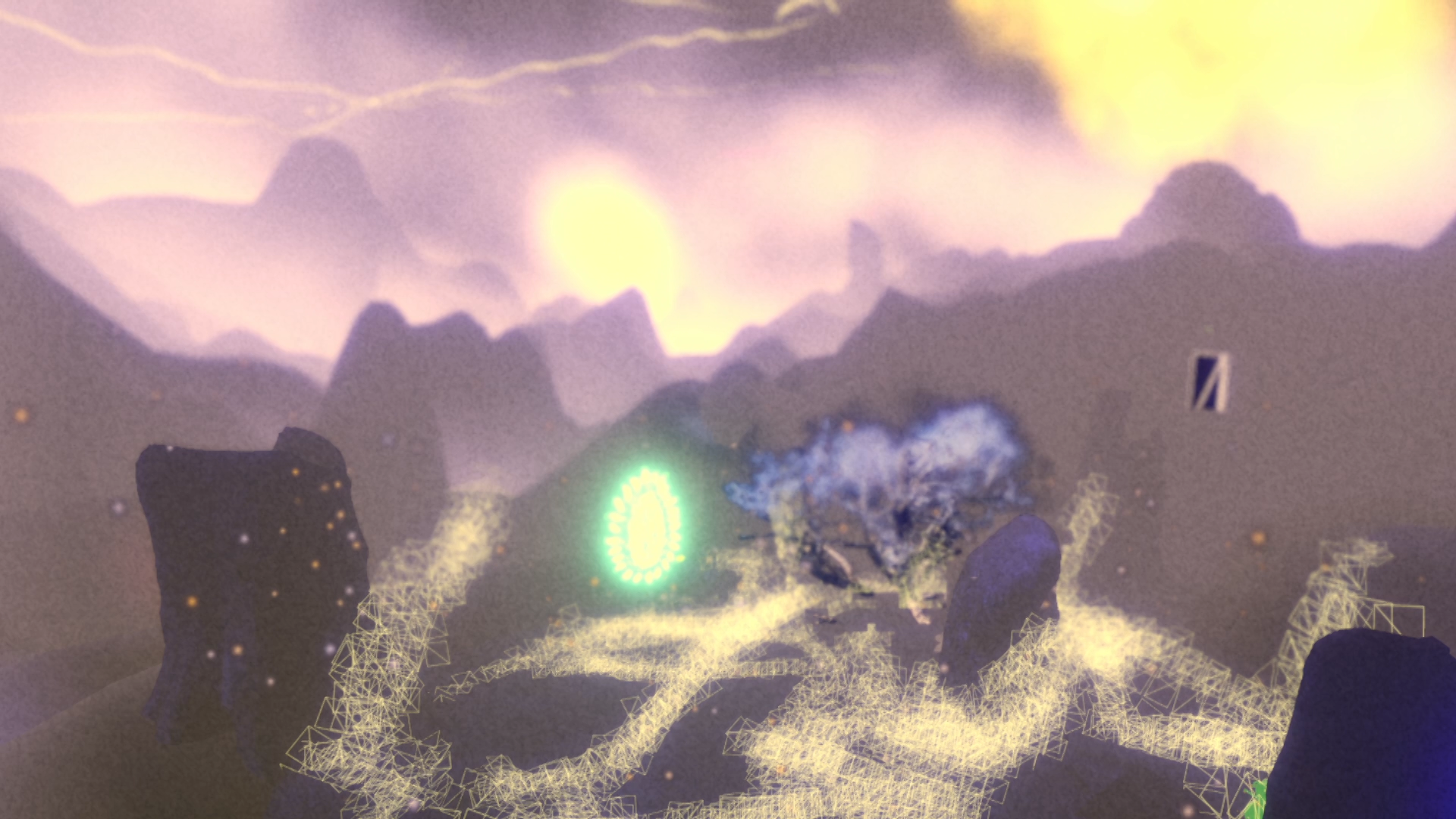
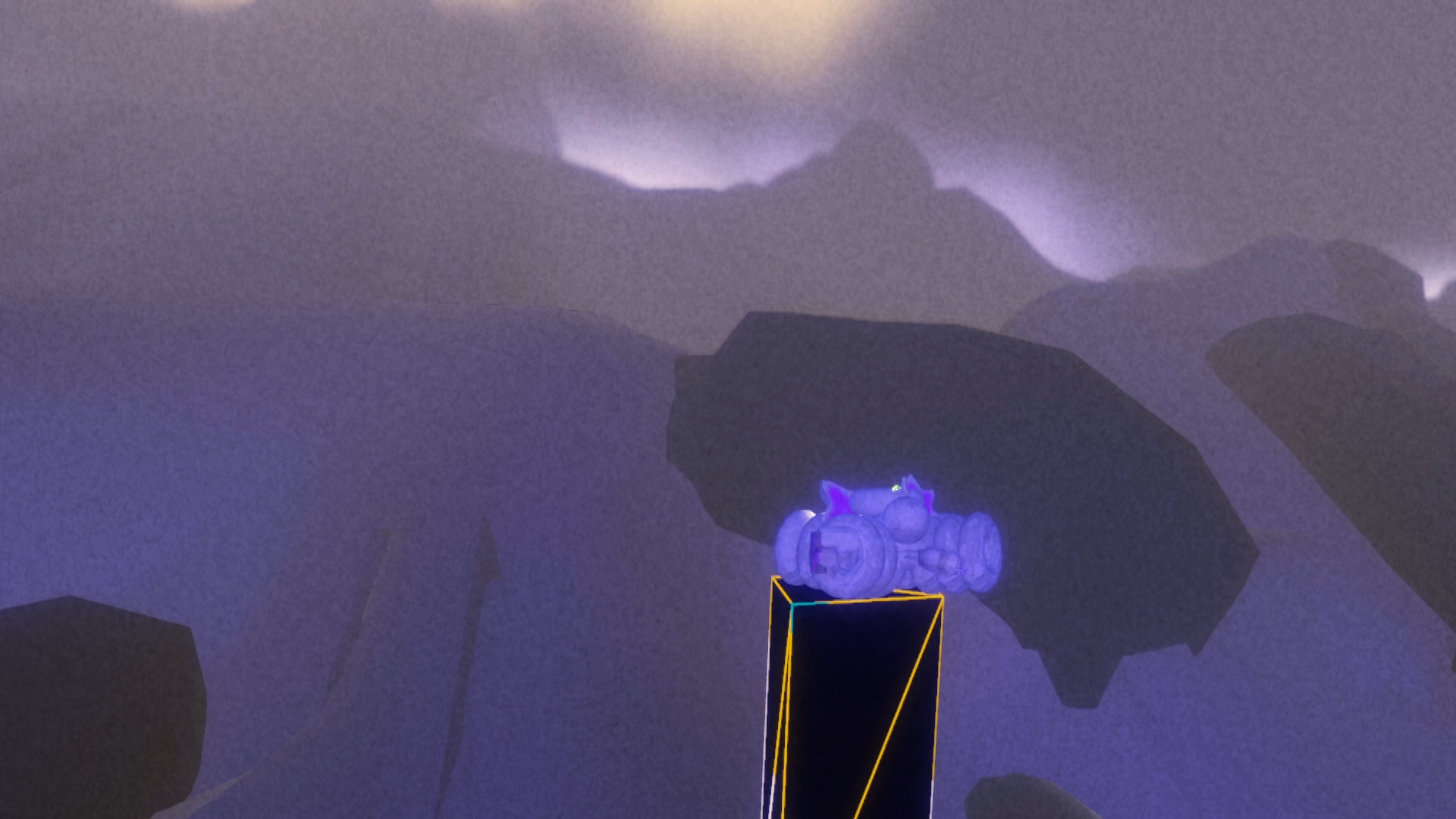
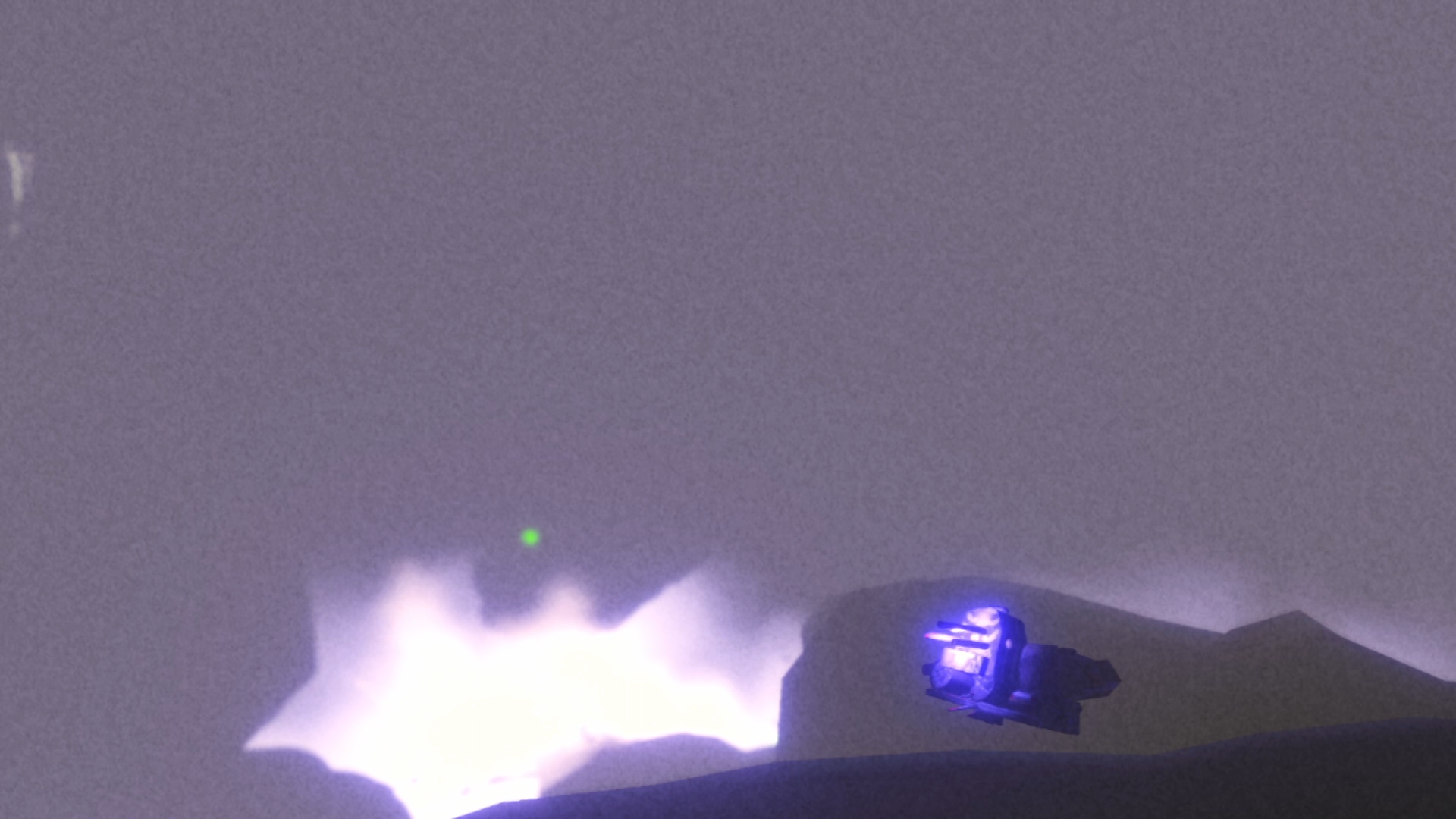
NeuroPatrol is an experimental, exploration BCI-VR (Brain-computer Interface-Virtual Reality) game designed to challenge the on/off paradigm of typical brain-computer interfaces. It is a practice-based research exploring immersive neuroadaptation through futuristic farming, environmental responsibility, and cooperative world-building (Image 1). The project's goal is to translate a user's real-time, fluid cognitive states into a dynamic virtual world.
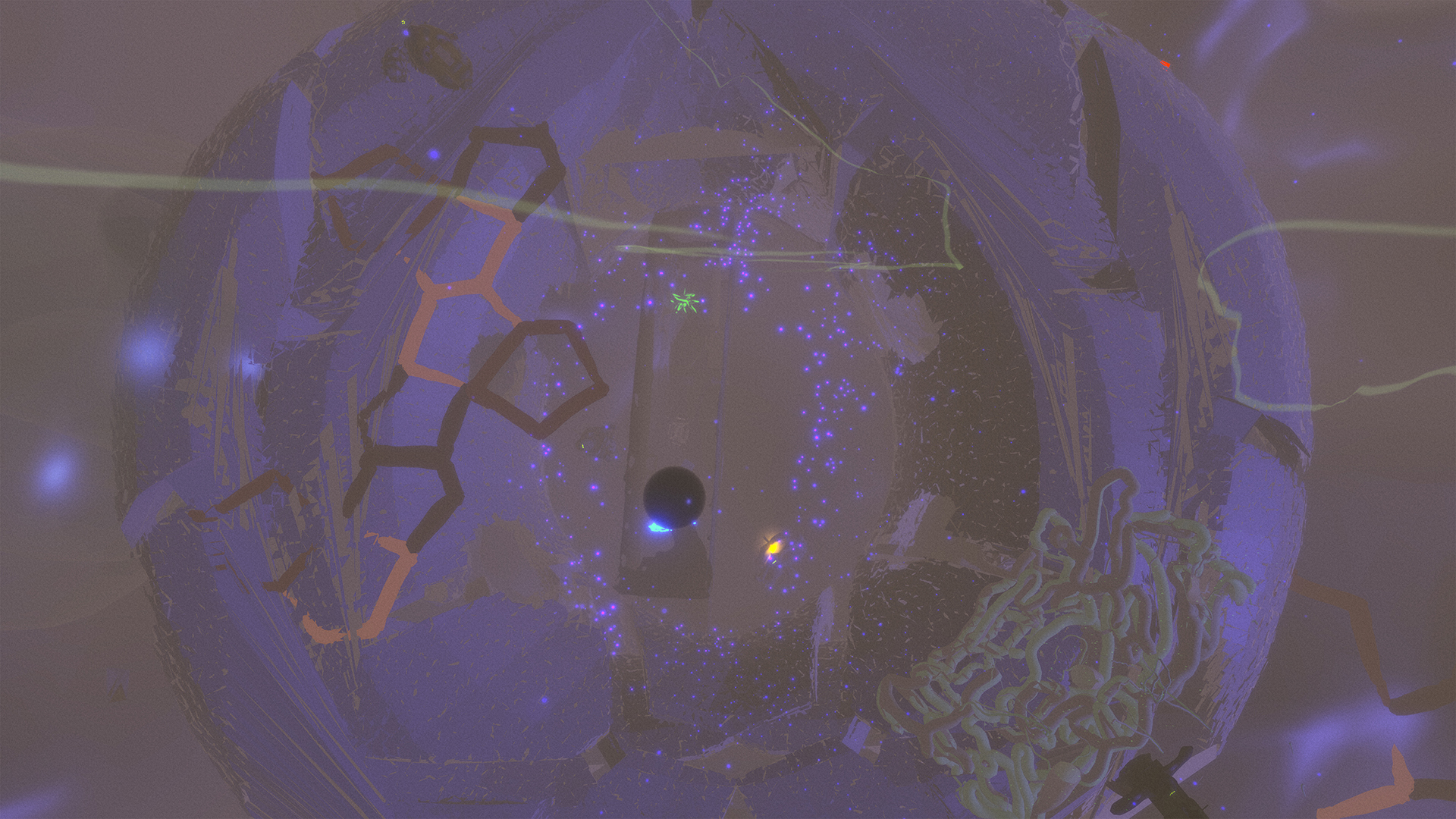
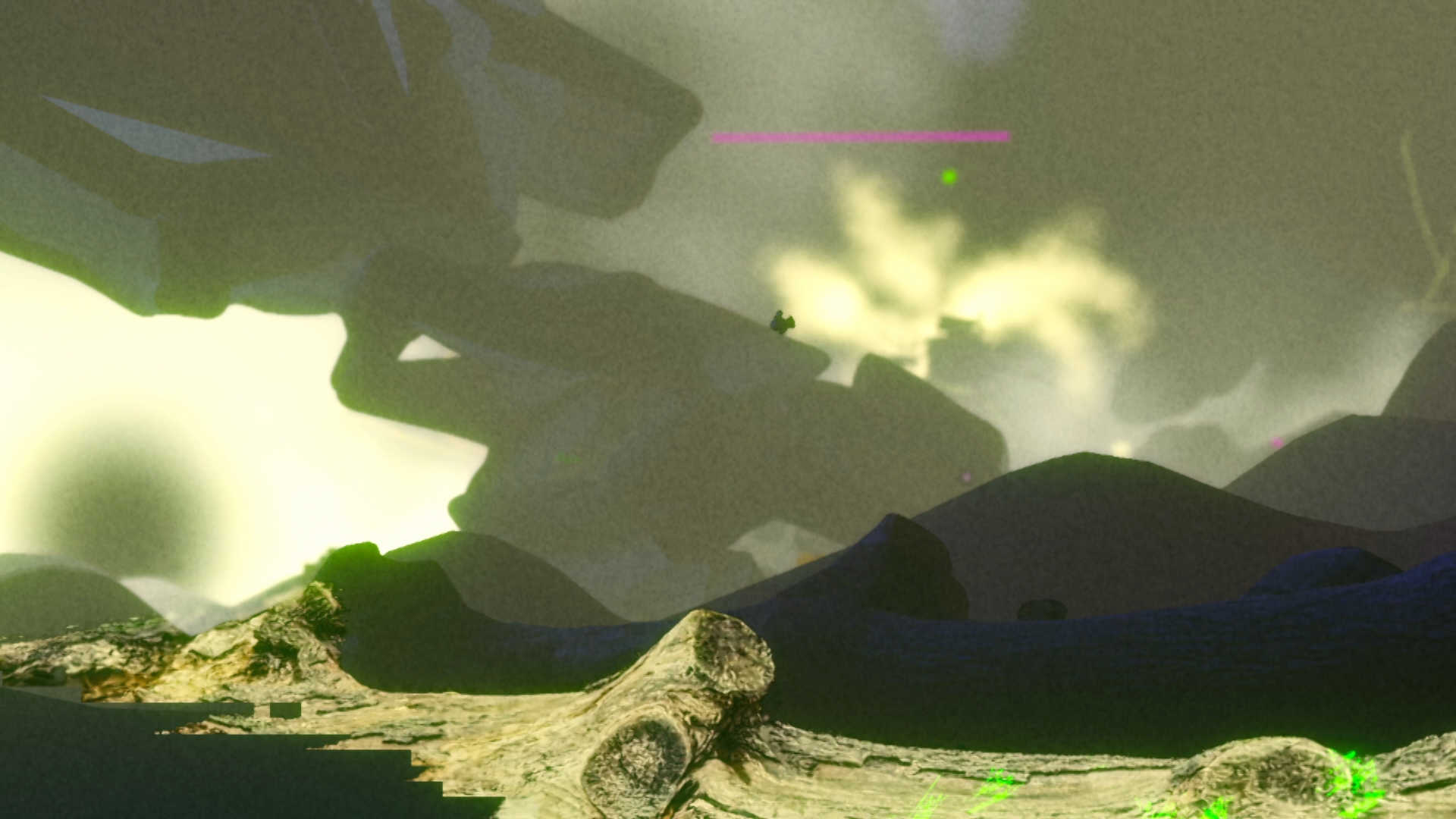
Image 1 Area B Torus: the metastable aesthetic in-game, showing the Torus environment with structural patterns and transient energy leaks
1. The Contextual and Engagement Gaps in BCI
Non-invasive BCI-VR faces a critical challenge of contextual translation. While clinical BCI has achieved precision using rigid, binary control mechanisms (Lotte et al. 2008), these tools are designed for laboratory isolation, not cultural engagement. This creates a gap in public accessibility: the "clinical gaze" of traditional BCI often results in sterile, intimidating experiences that lack the narrative depth, immersive storytelling or aesthetic appeal required to engage a broader, non-expert, and neurodiverse audience in their everyday lives (Cattan 2021).
2. Metastability
Instead of binary control, NeuroPatrol builds its foundation on the principles of Coordination Dynamics and Metastability (Kelso 1995; Tognoli & Kelso 2014; Hancock et al. 2024).
Metastability is a key property of brain function. It is a structured dynamical regime characterised by the simultaneous coexistence of two competing tendencies: the tendency for brain regions to synchronise (integrate) and the tendency to express their own independent behaviour (segregate).
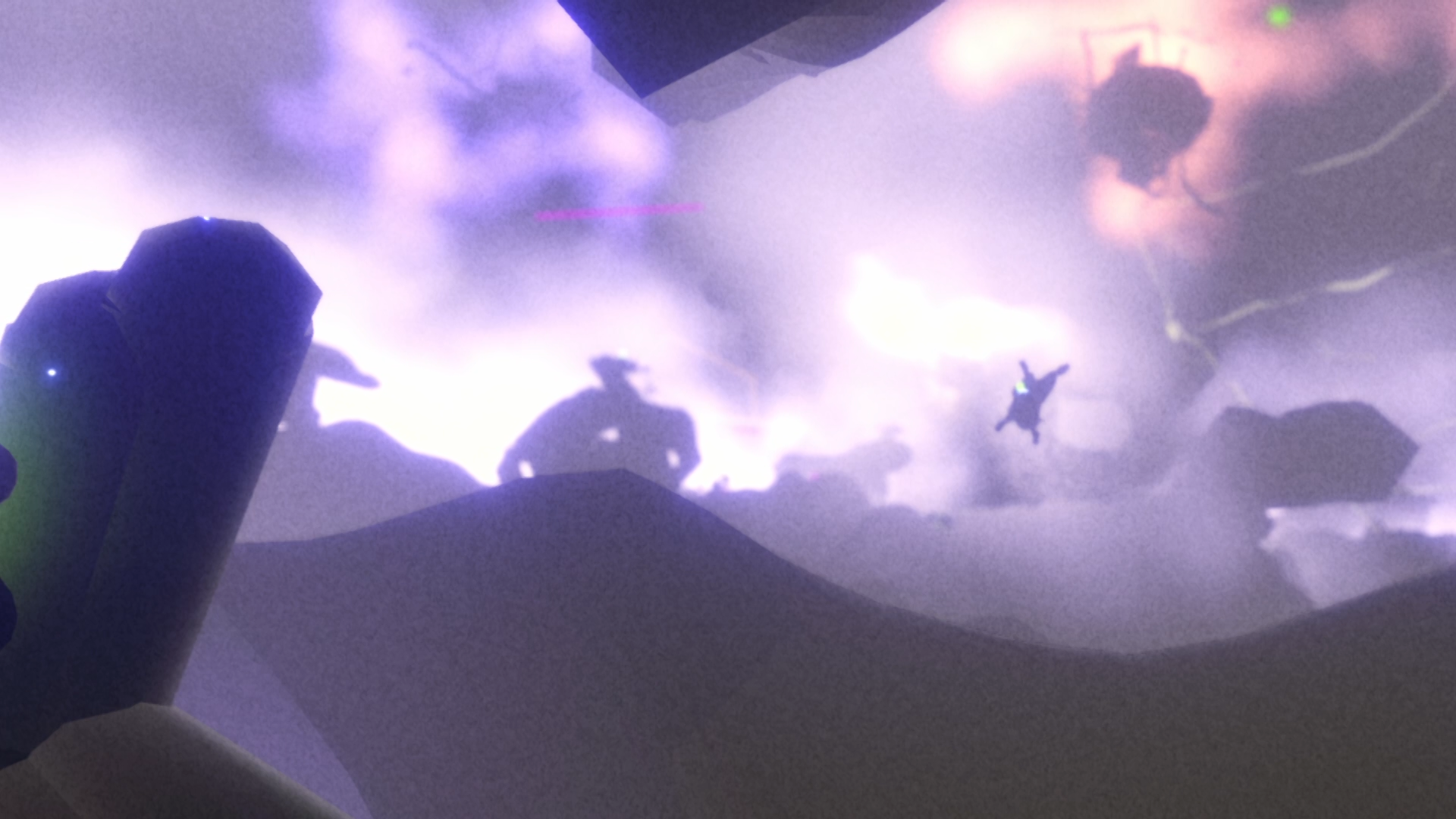
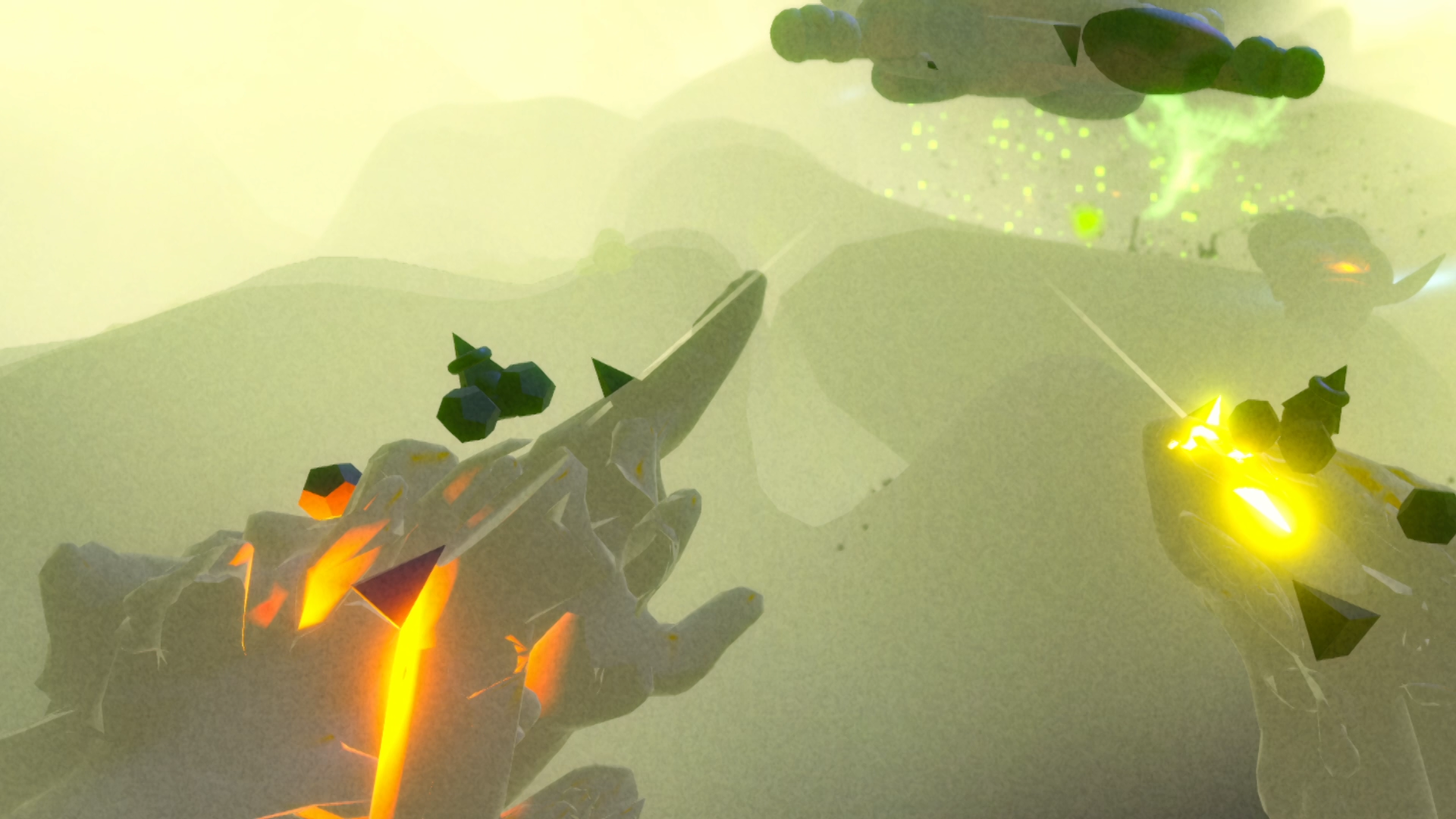
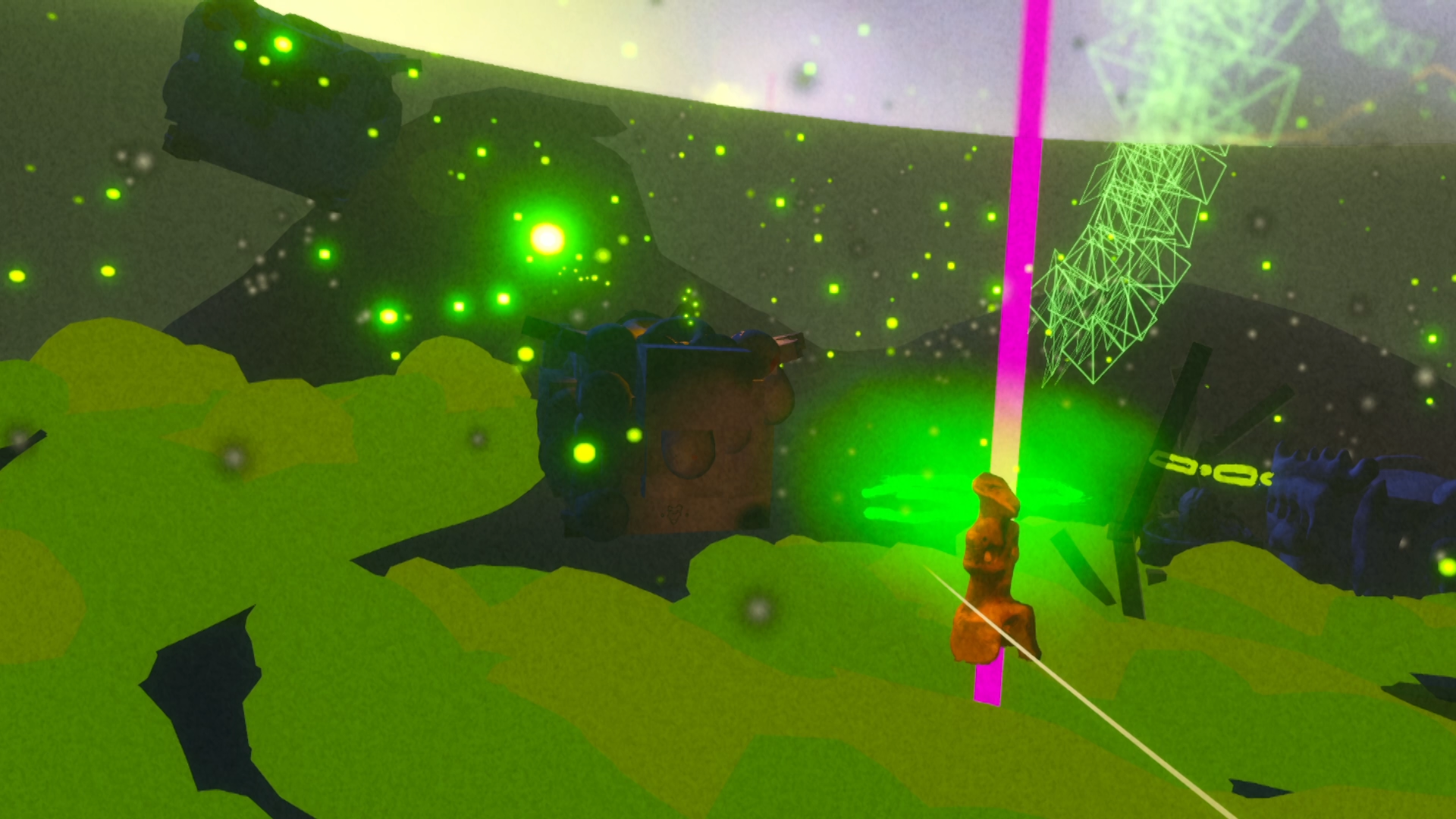
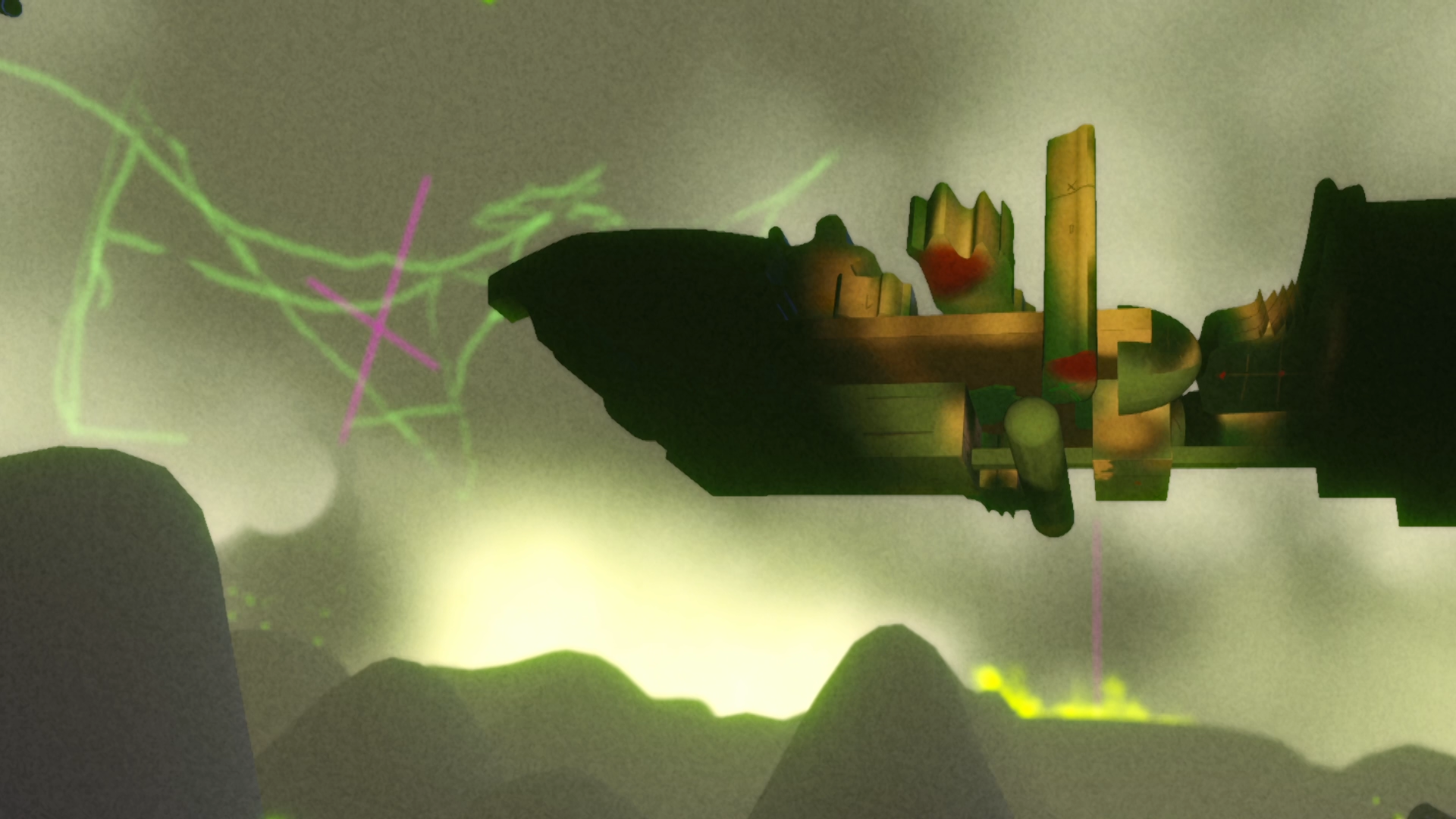
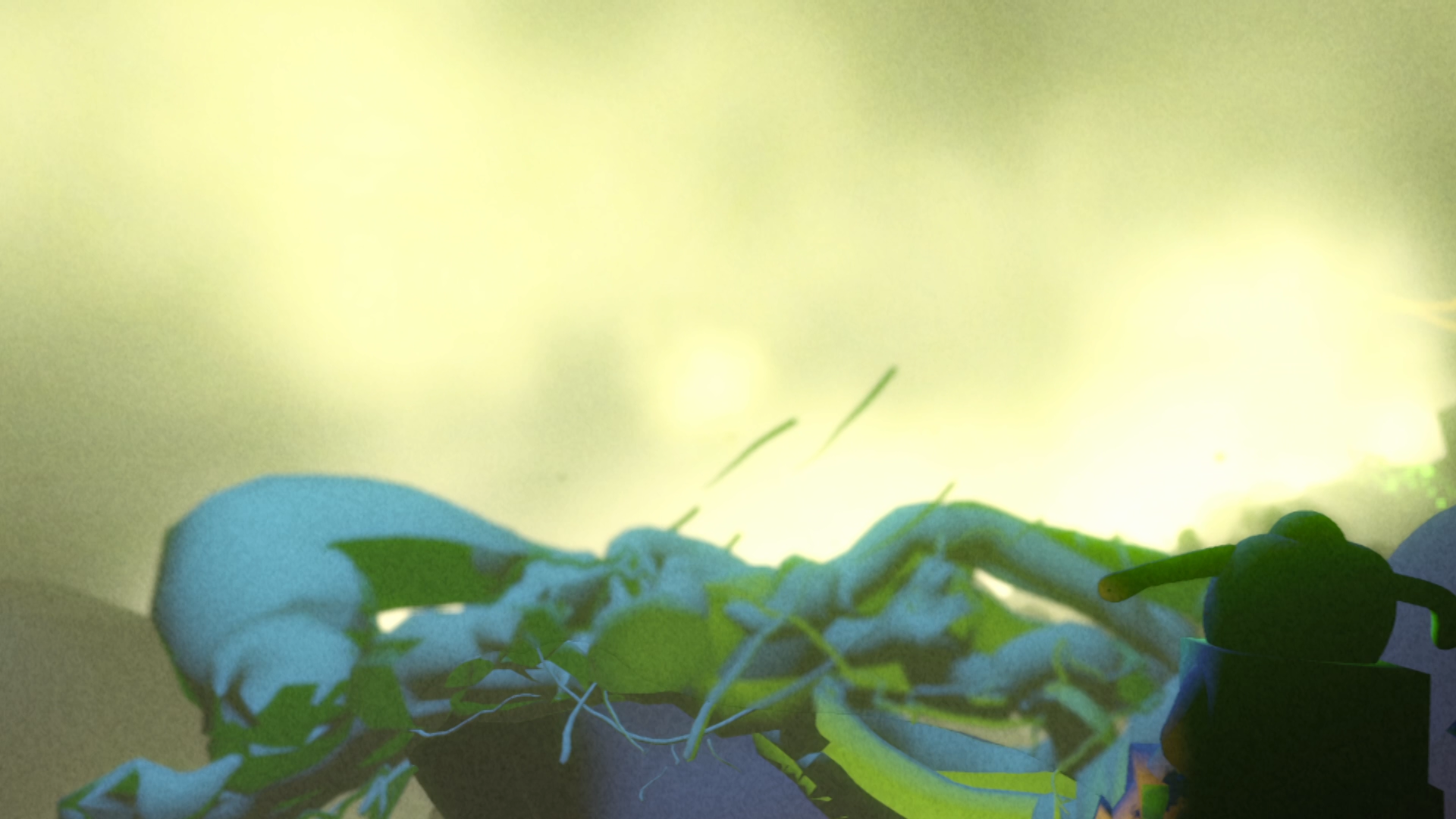
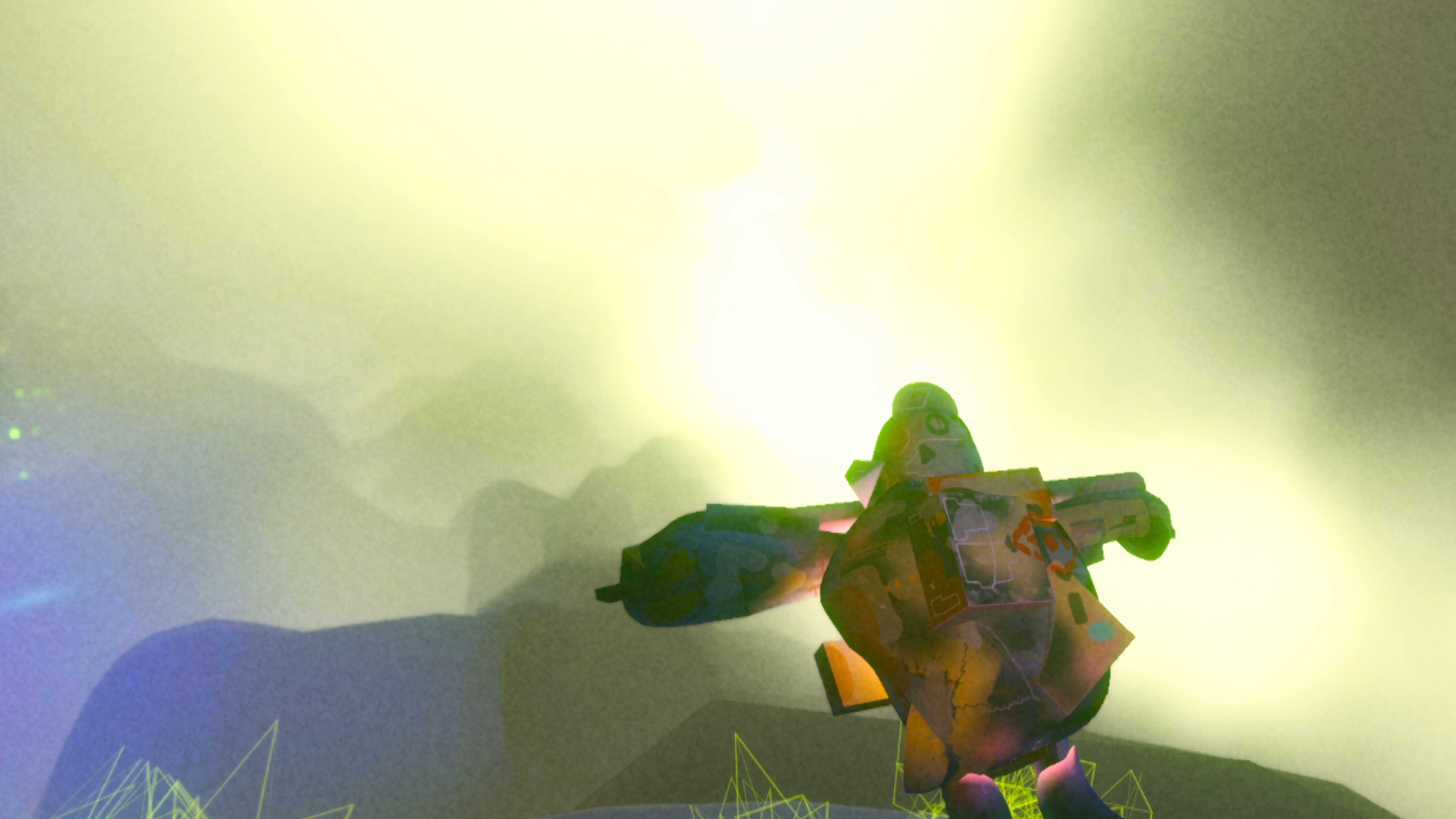
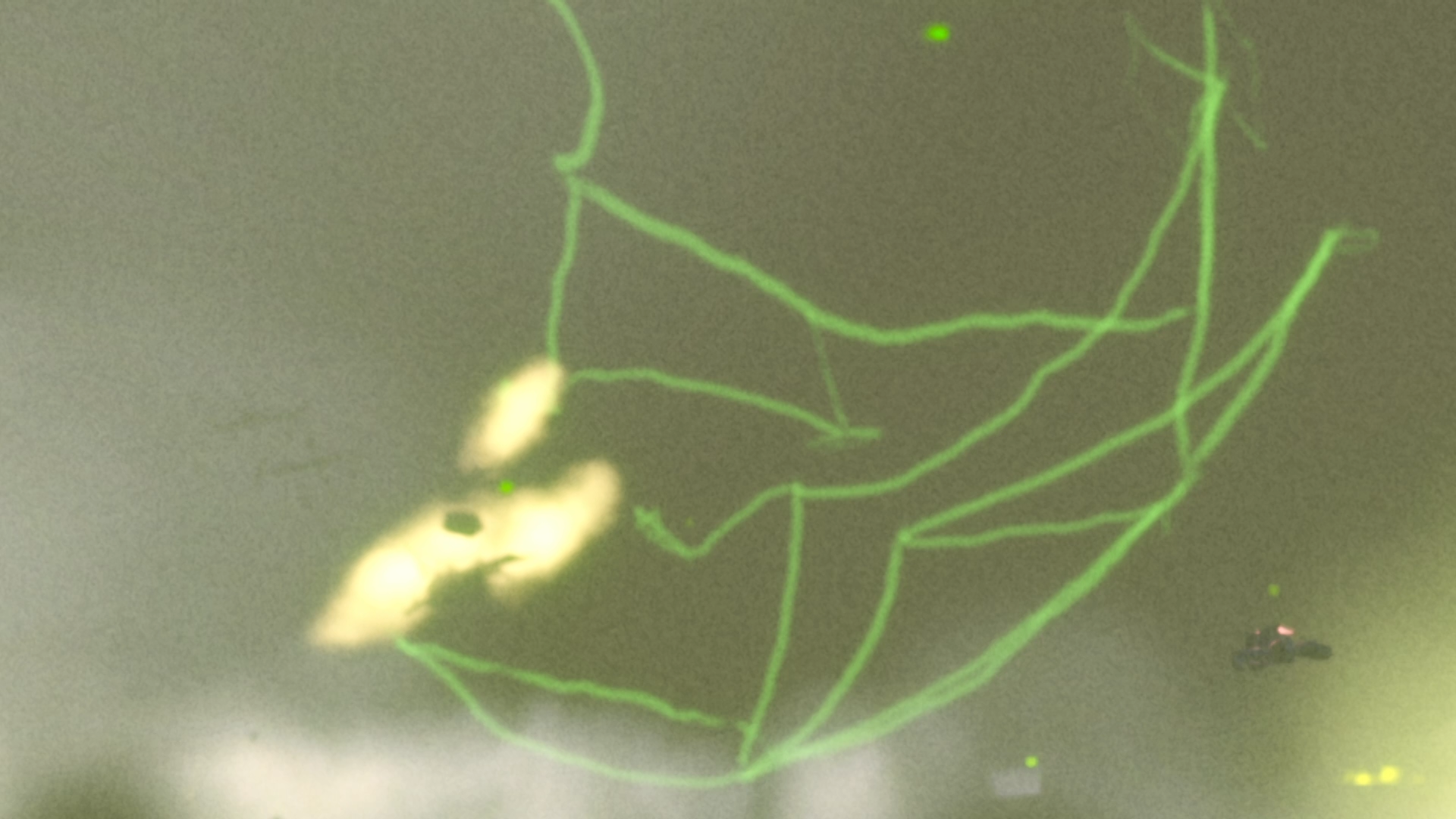
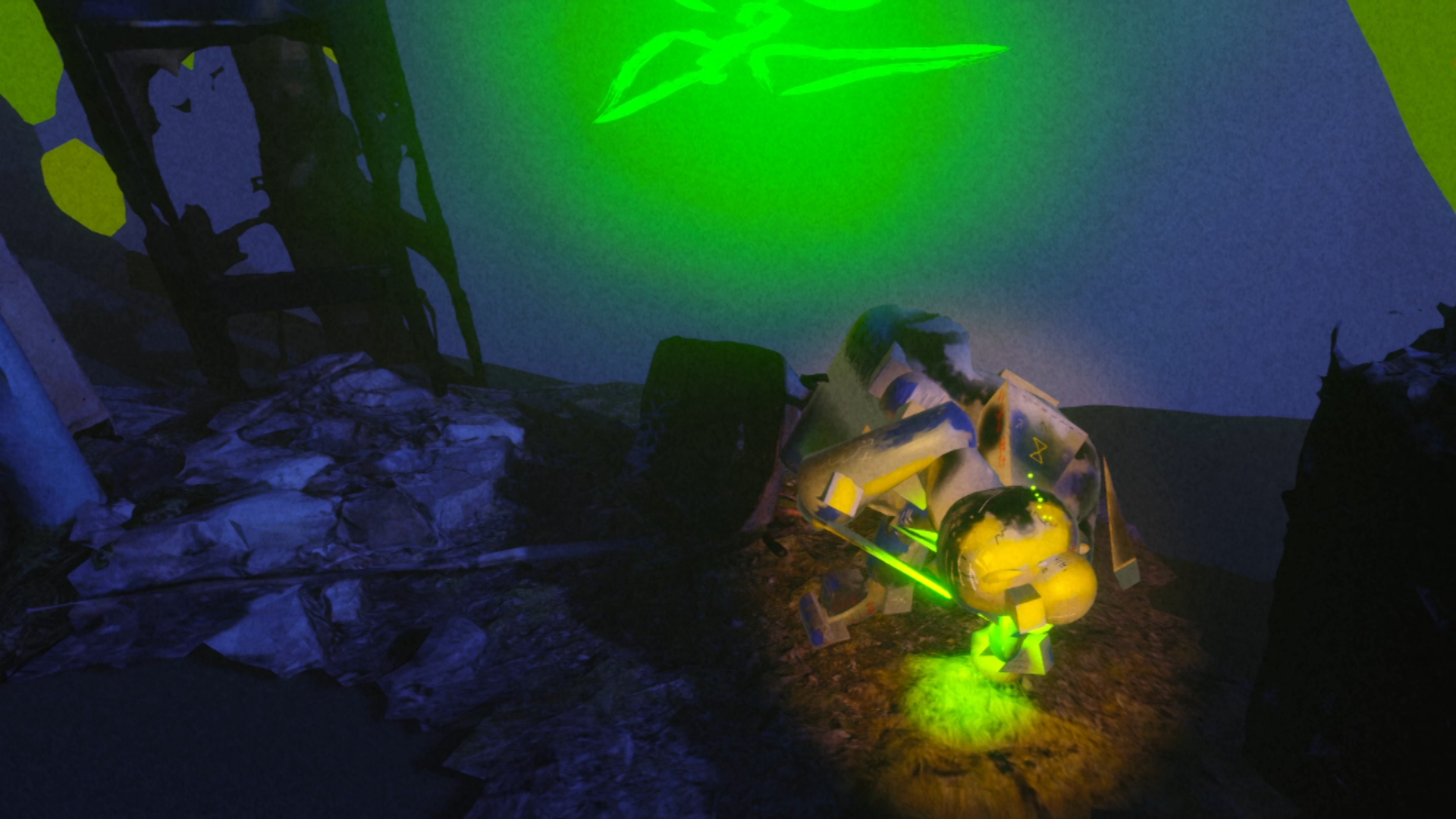
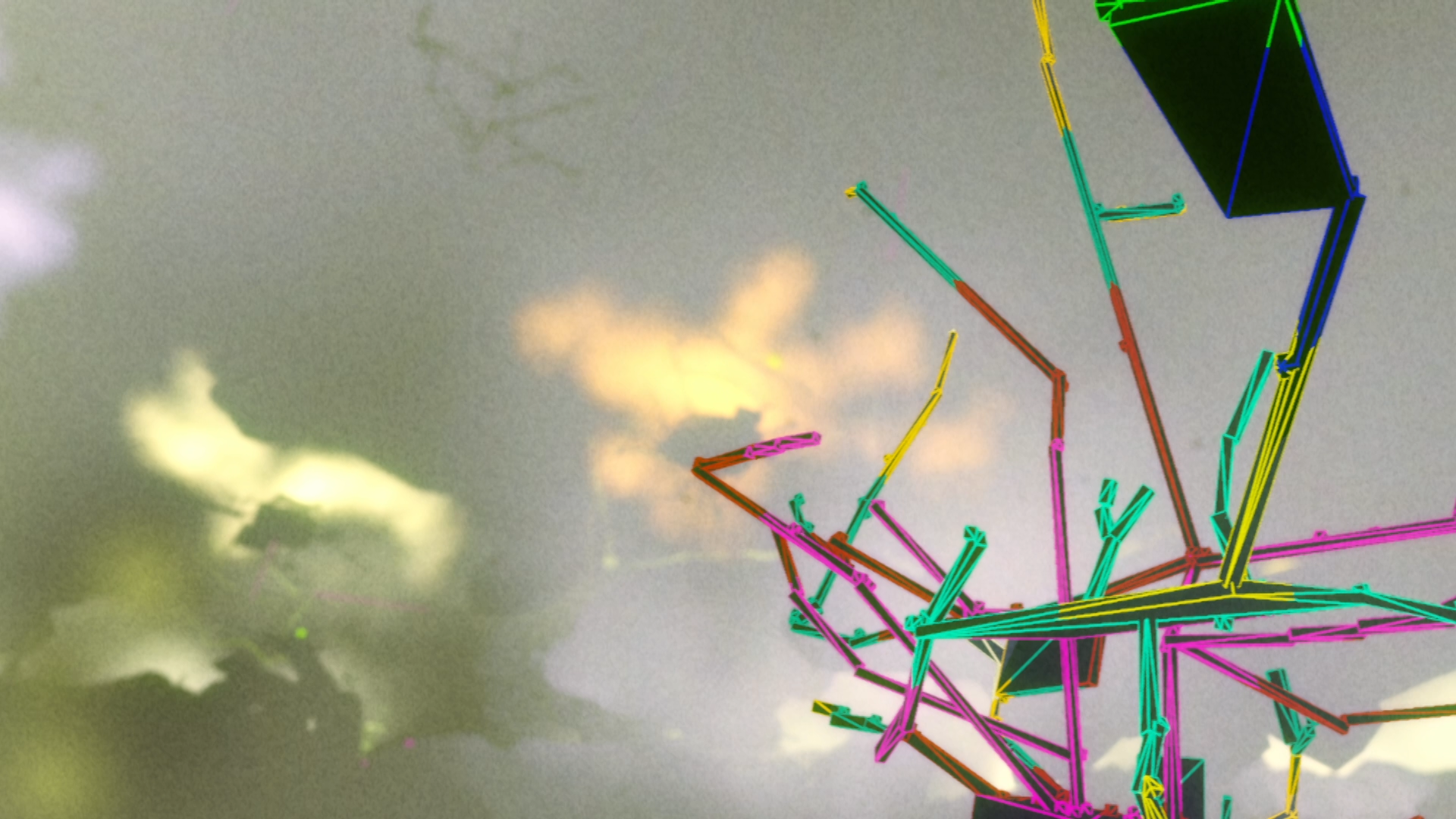
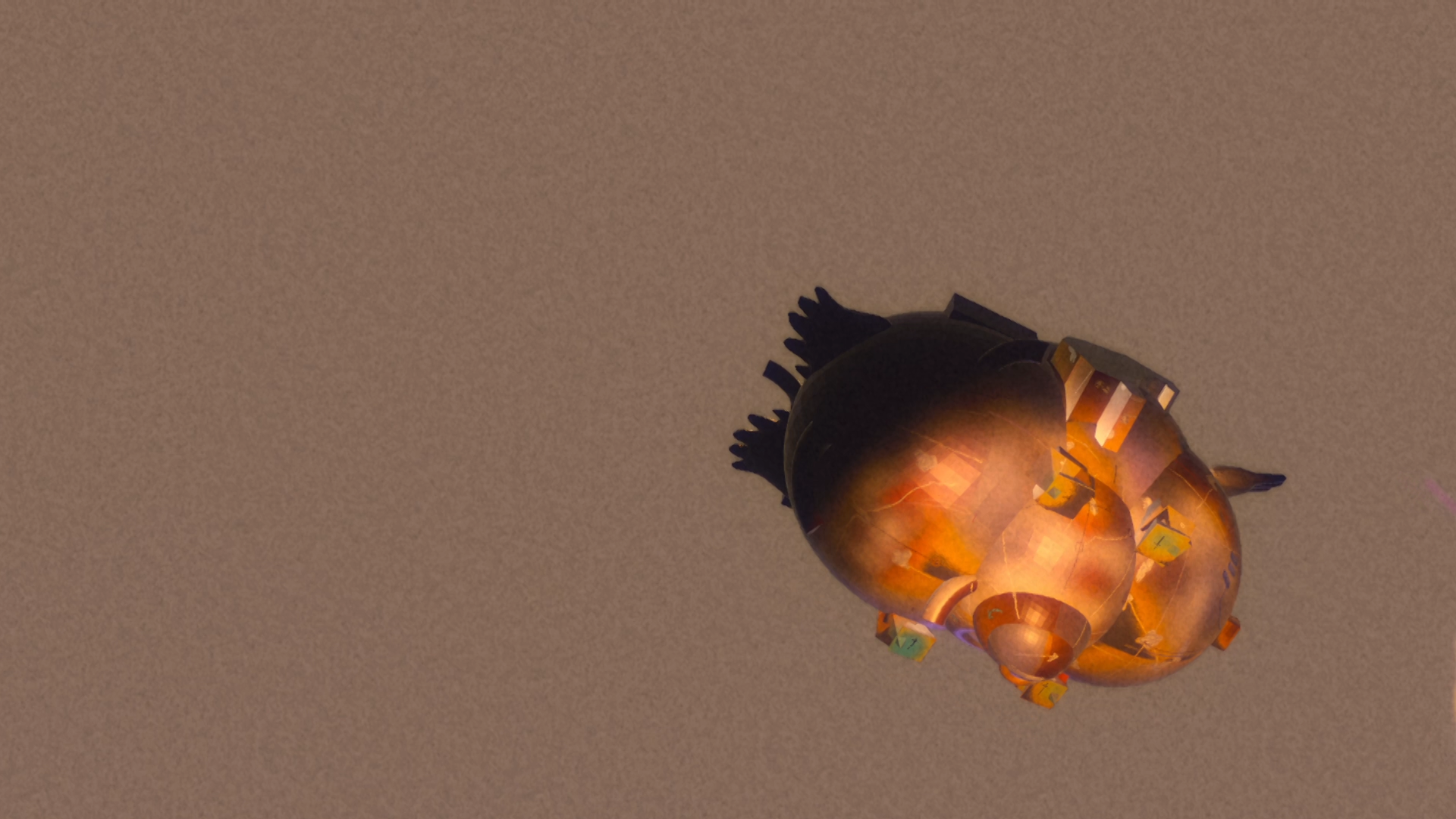
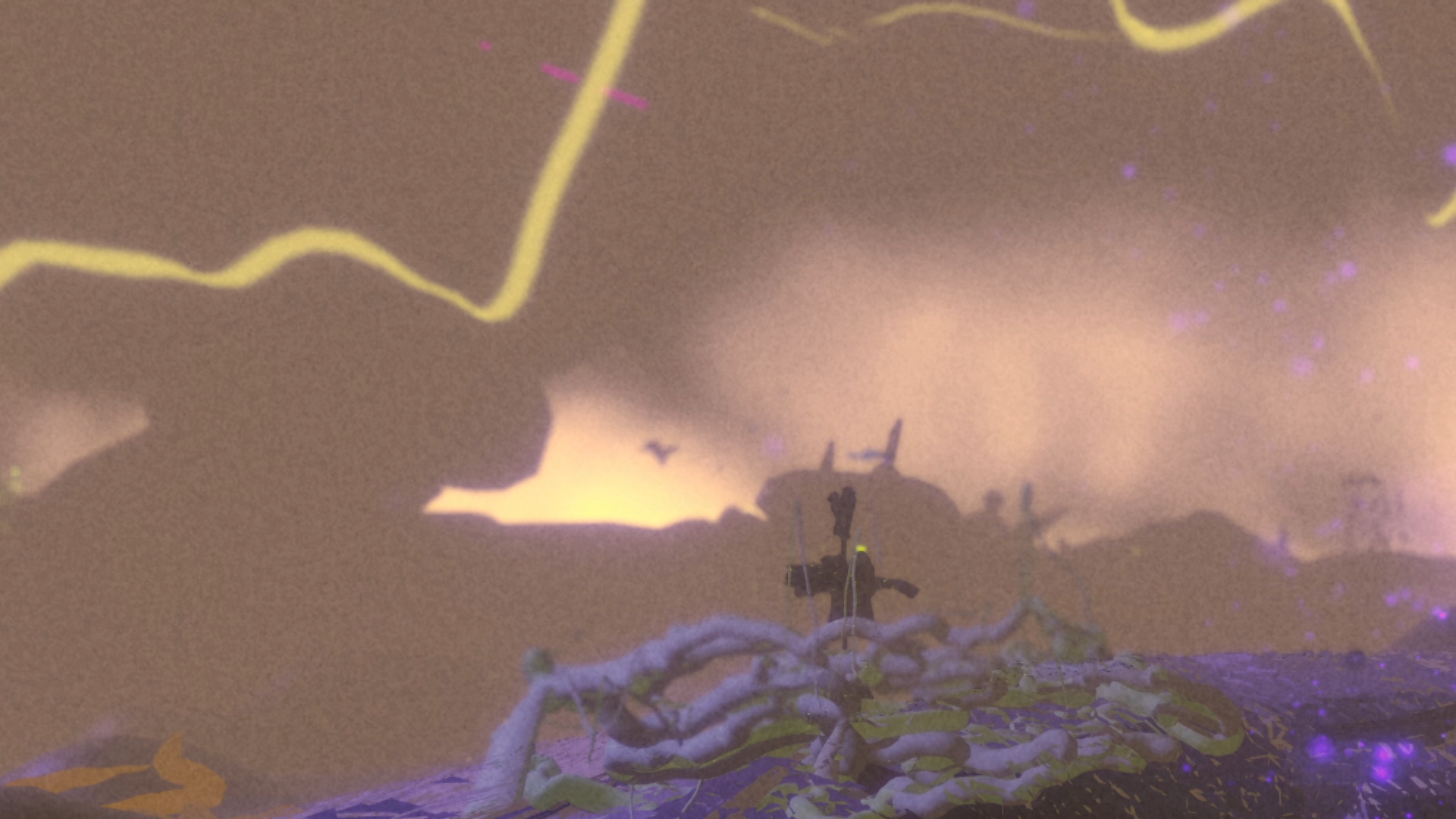
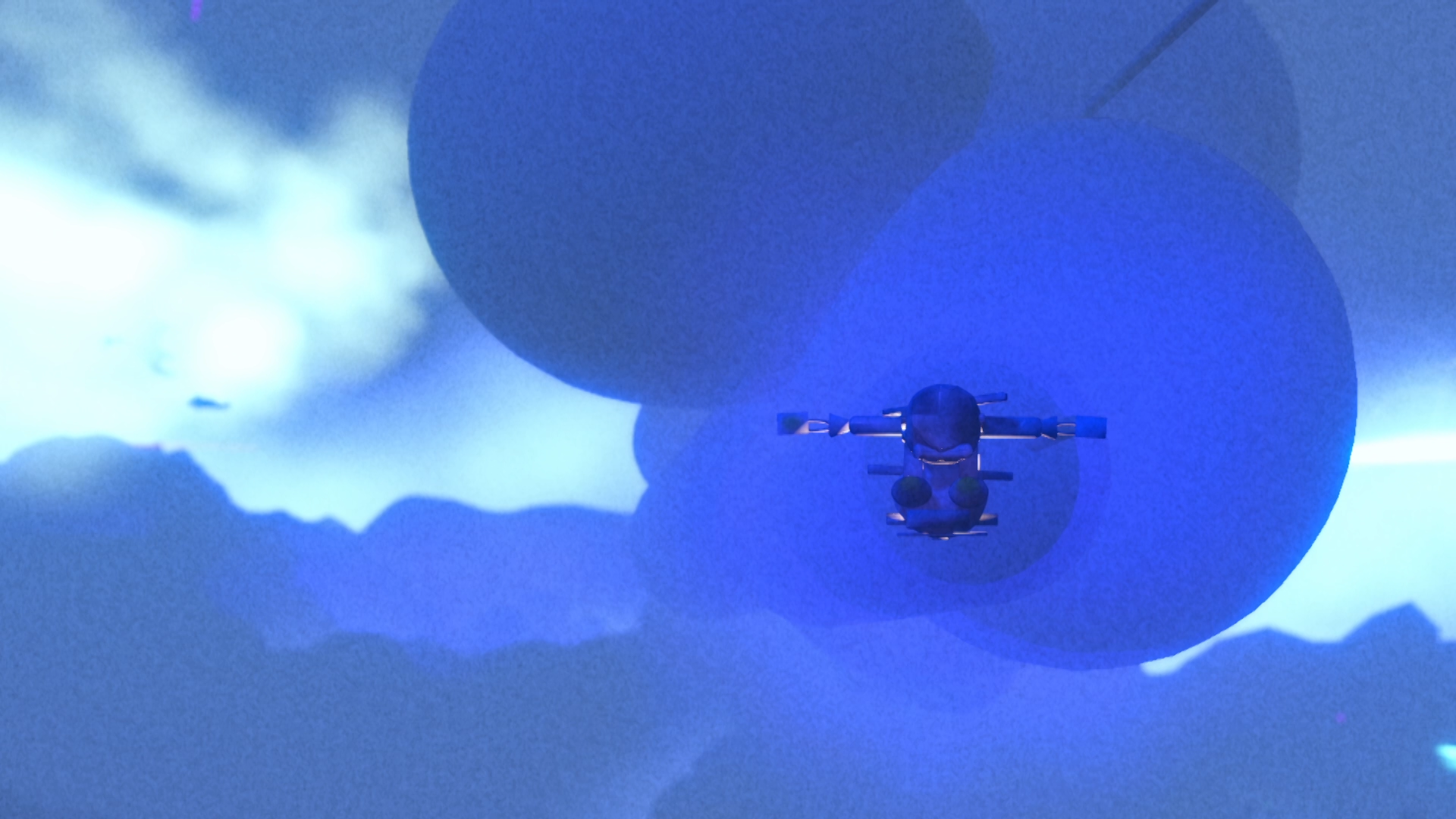
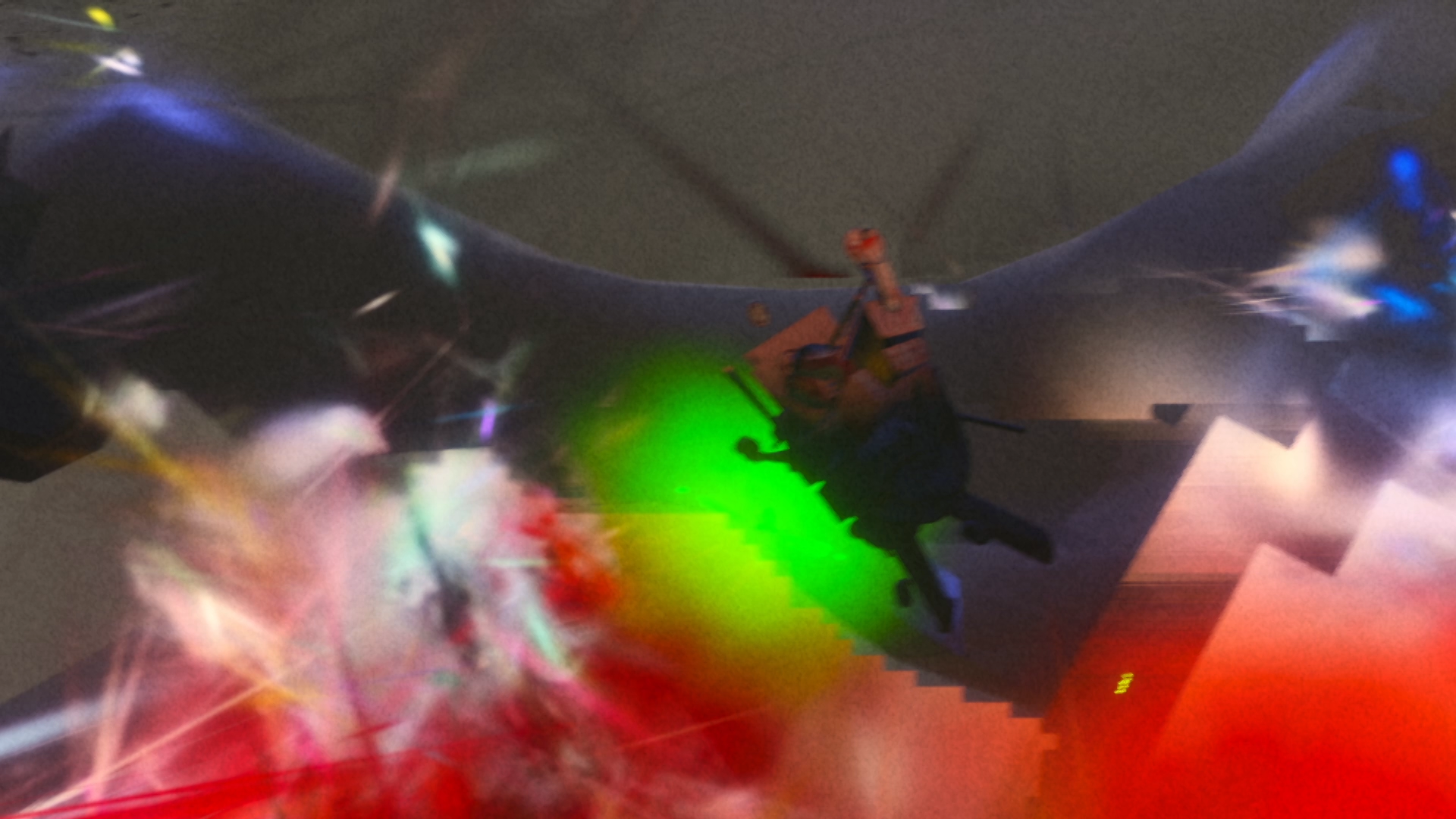
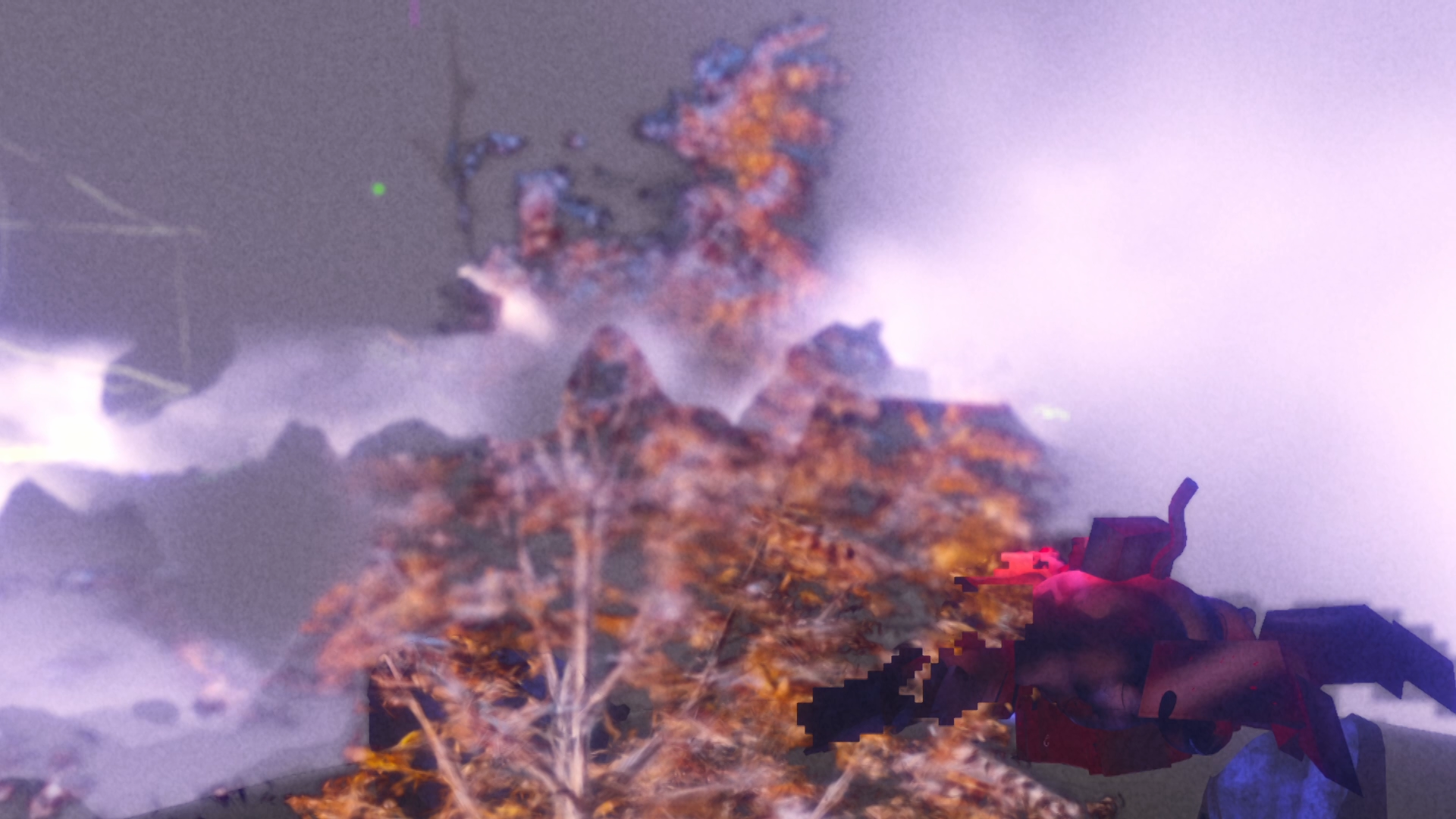
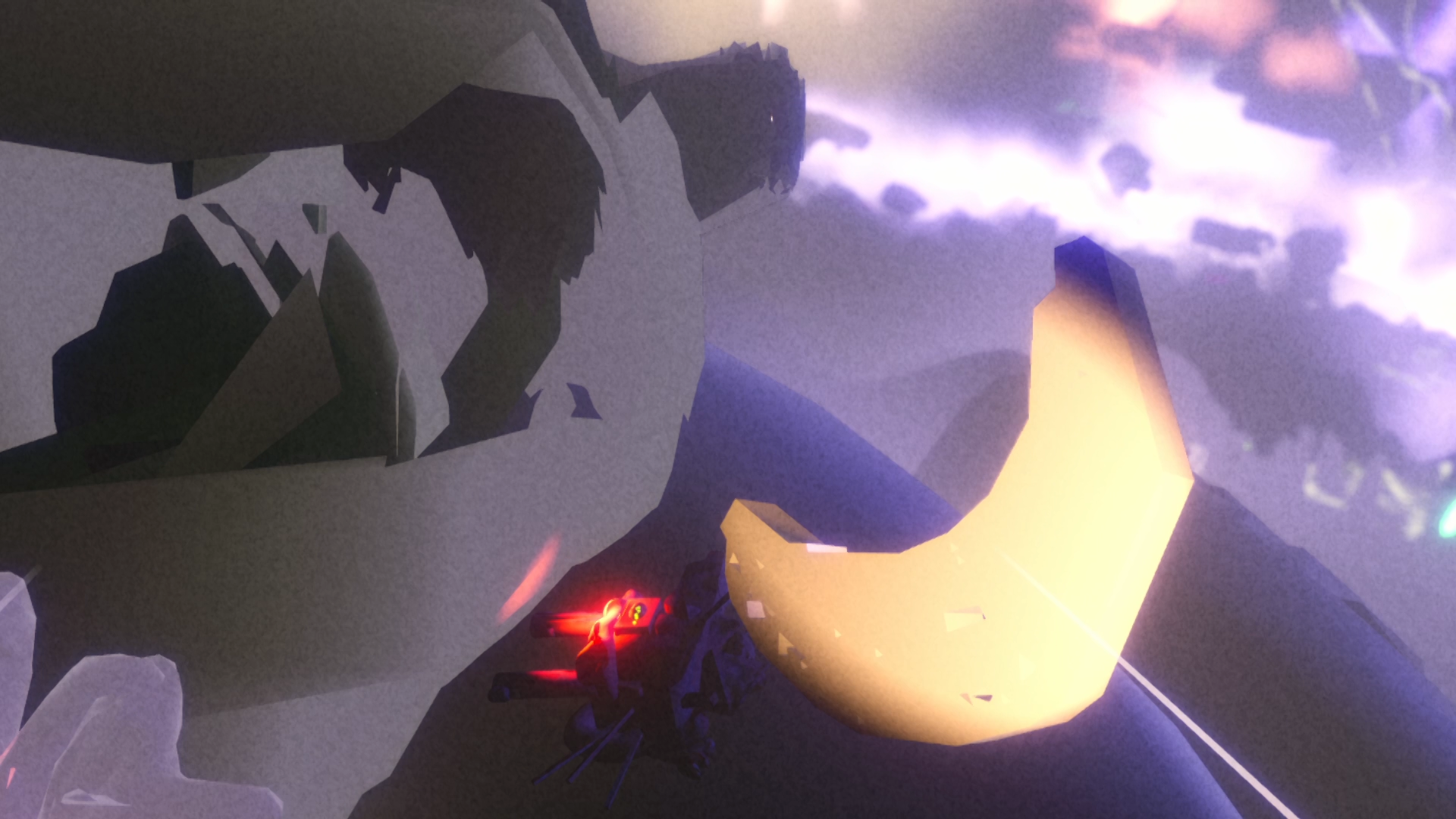
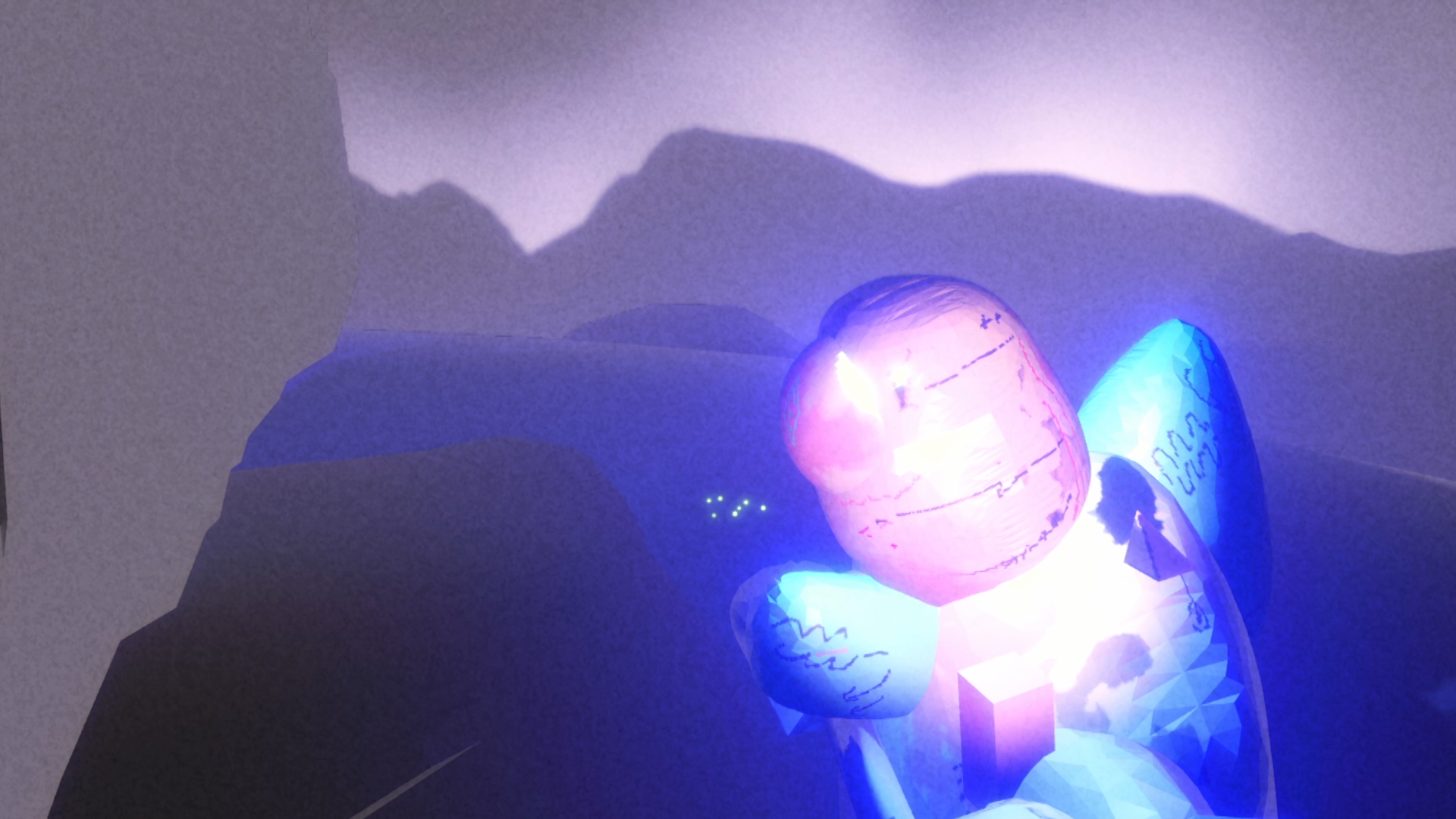
In this regime, coordinated patterns transiently form and dissolve (Tognoli & Kelso 2014; Hancock et al. 2024). This is the brain's key state for functional flexibility—the fluid in-between state (the "squiggle" of Kelso & Engstrøm 2024) that balances global focus and independent exploration. By targeting metastability, I aim to measure the quality and fluidity of a user's cognitive state (Images 2, 3, 4, 5, 6).

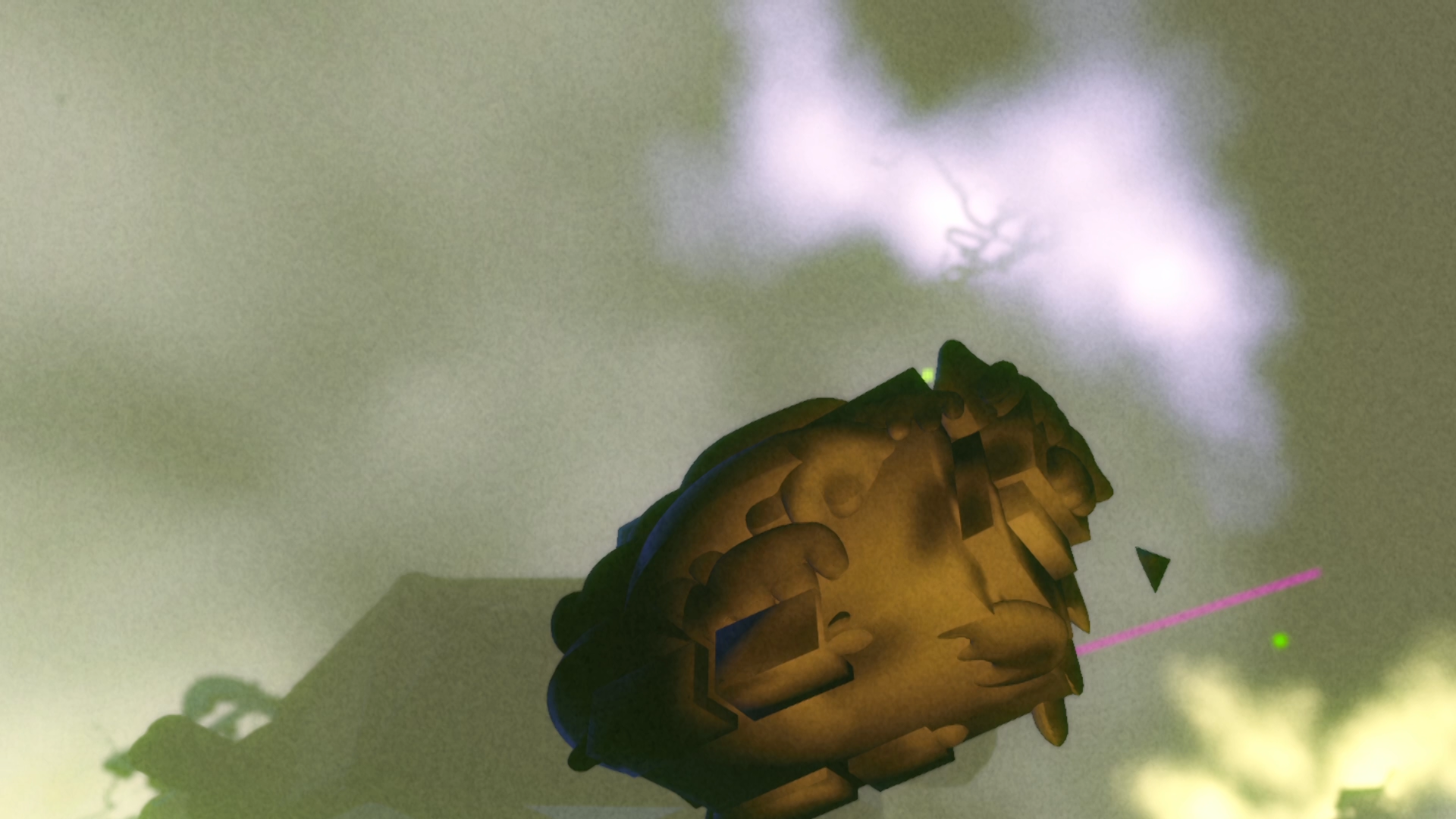
Image 2 Highland Cattle Shapeshift: from abstract Metastable to coherent Fauna is designed to be modulated by the user's brain, tuning the world to their cognitive state

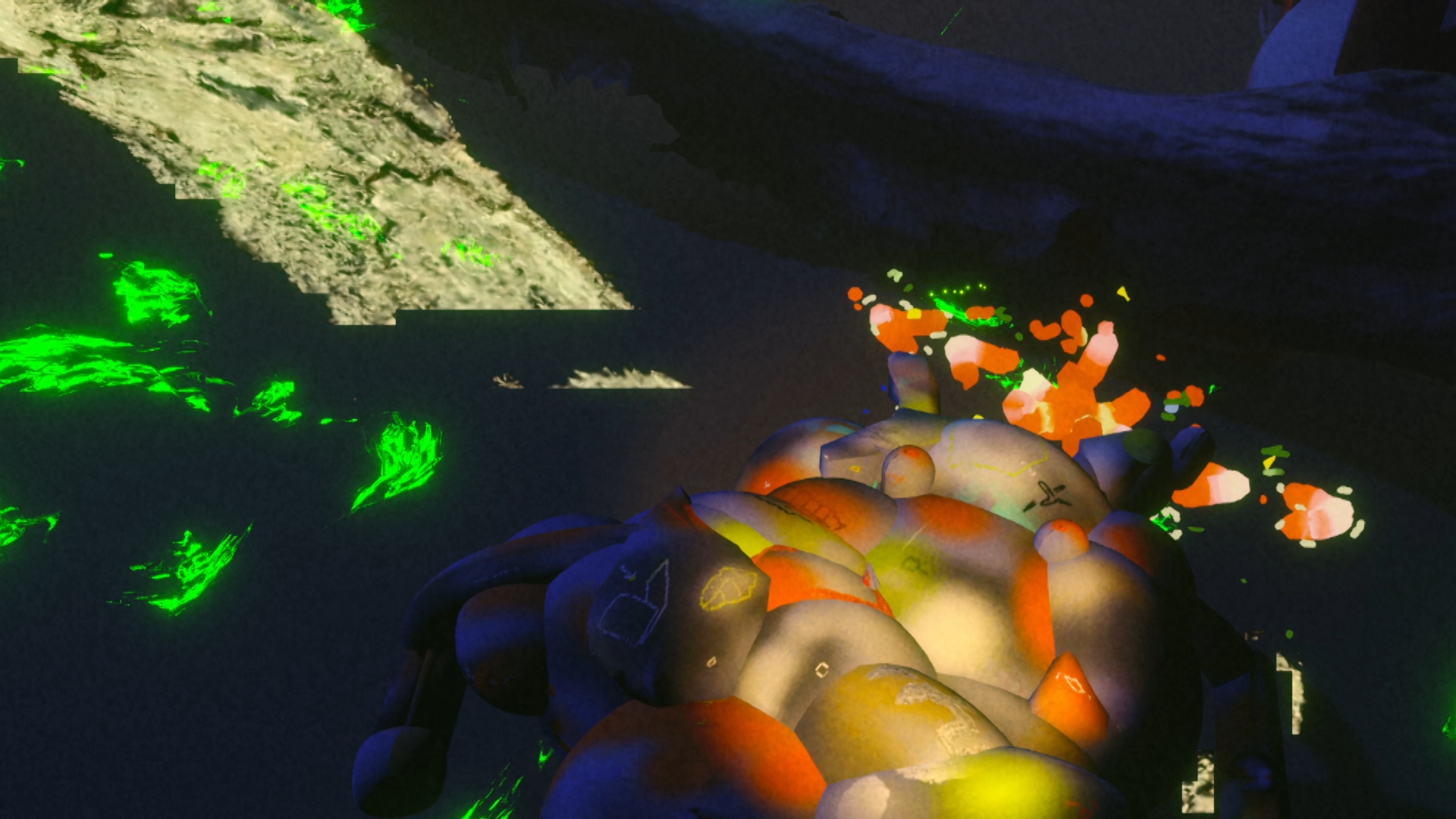
Image 3 NPC Shepherd Shapeshift: the shift to Humanoid mode signifies a change in its state, allowing it to actively manage the Fauna mode livestock in response to the user's neurodynamic state
3. VR-Only Alpha Prototype
The current build of NeuroPatrol by December 2025 is still a VR-only (non-BCI) alpha demo. This prototype is a foundational methodological step, serving two goals:
- Establishes the world-building, core mechanics, and visual language of the project.
- Functions as a foundation for discussion and evaluation for upcoming community feedback phase, allowing for co-design the future BCI integration with patient community.

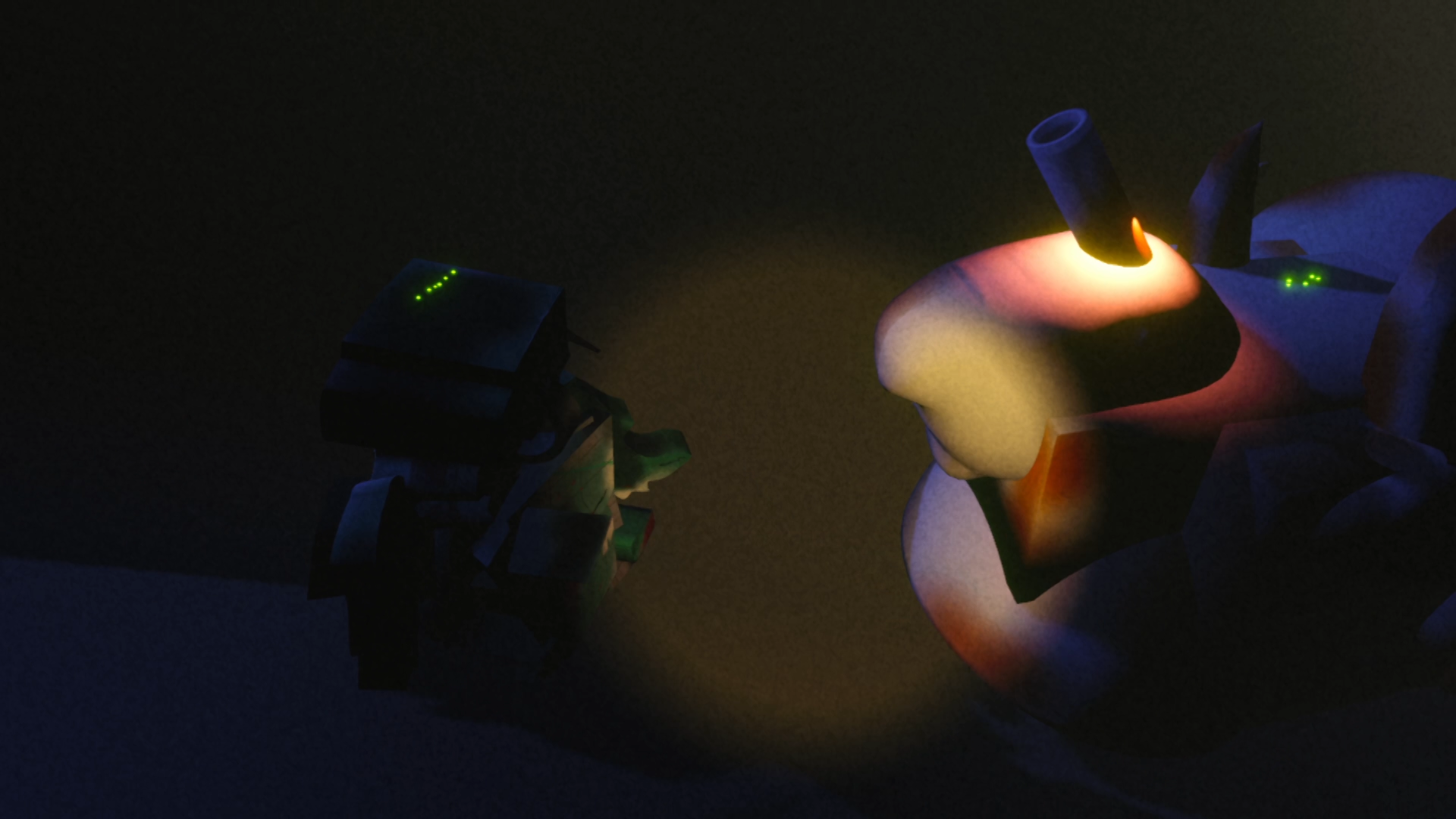
Image 4 Valais Blacknose Shapeshift

Image 5 NPC Modulator Shapeshift

Image 6 NPC Engineer Shapeshift
4. Metastable Aesthetic
The metastable aesthetic is a critical methodology for BCI design, grounded in a diffractive and posthumanist framework (Barad 2007; Qiang 2023). This framework treats the user and BCI as one entangled, co-evolving system (posthumanist), where the BCI doesn't just passively reflect a pre-existing thought but actively co-creates the experience through the act of measurement (diffractive).
Instead of reflection of data, it posits that the user and the system are not separate entities but are entangled in a continuous "intra-action" (Barad 2007) rather than interaction. A BCI designed for the fluid, in-between state of metastability requires an aesthetic that is itself fluid and in-between.
This aesthetic is realised through the creative process as autoethnography and field work:
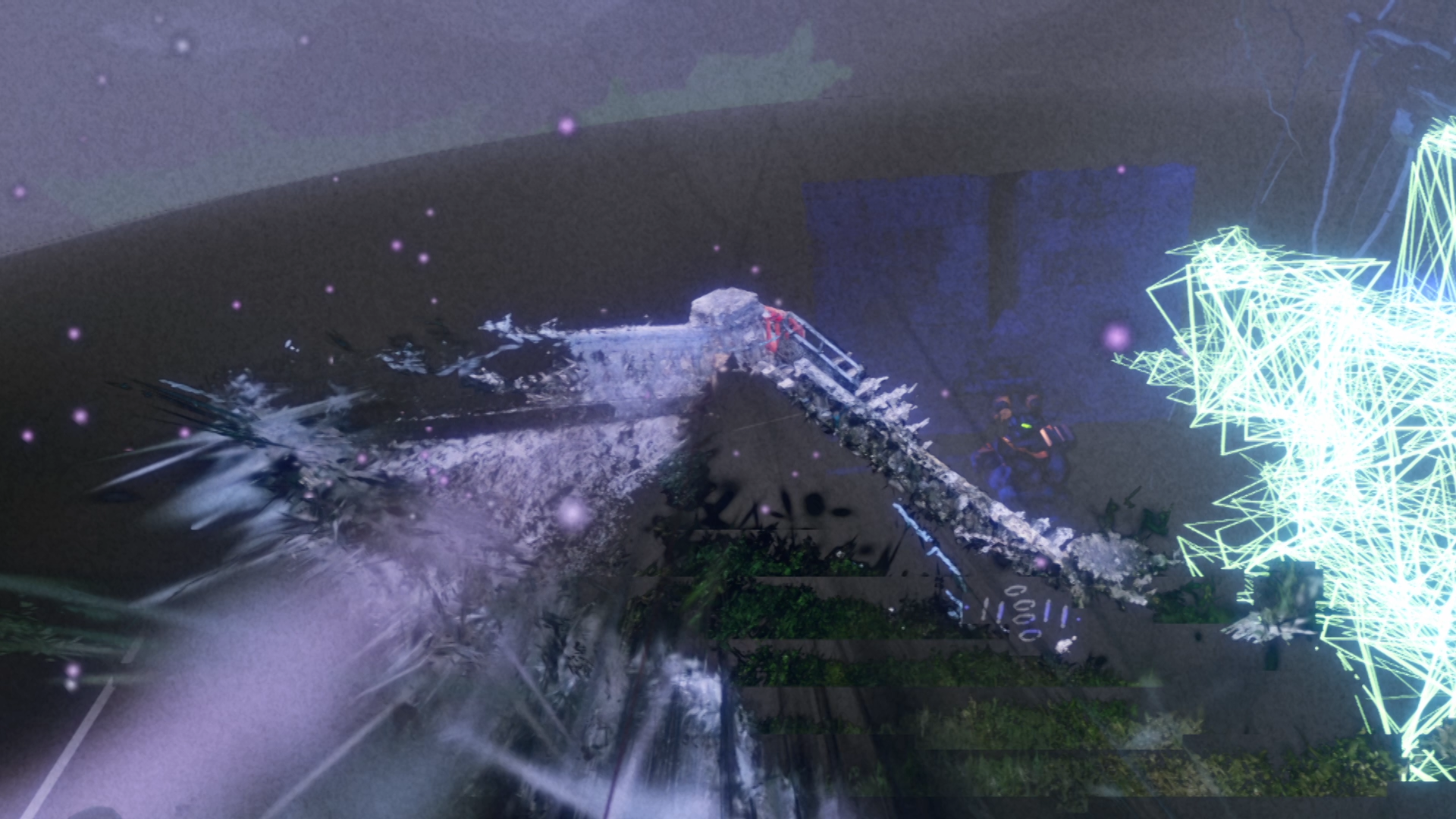
- I use photogrammetry and Gaussian Splatting to capture and deconstruct real-world objects, greenery, and architecture (Images 7, 8).
- This source material as game asset is collected from extensive field work in Bath, UK and its surrounding towns (Frome and Wells), filtered through my cultural situatedness.
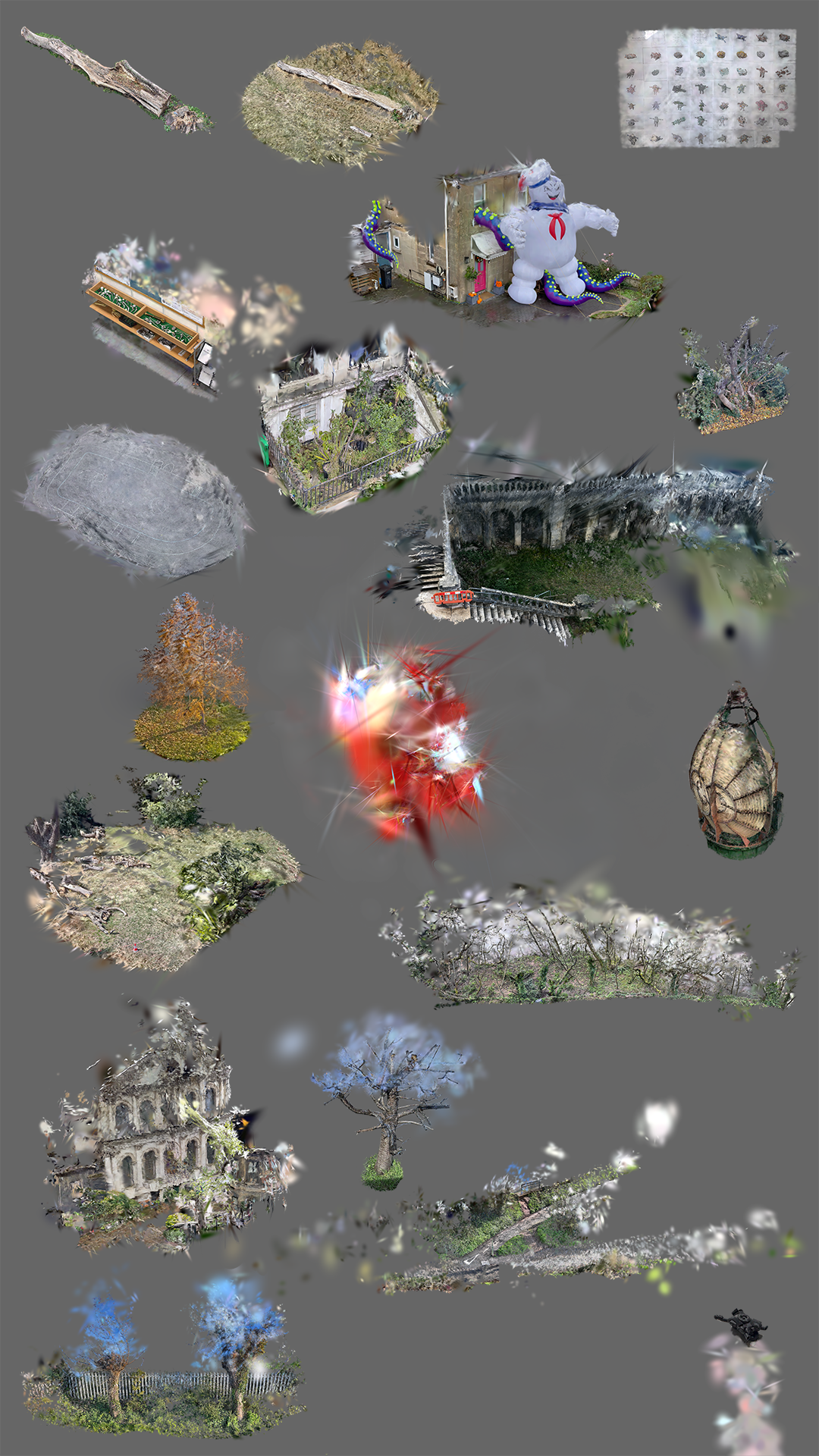
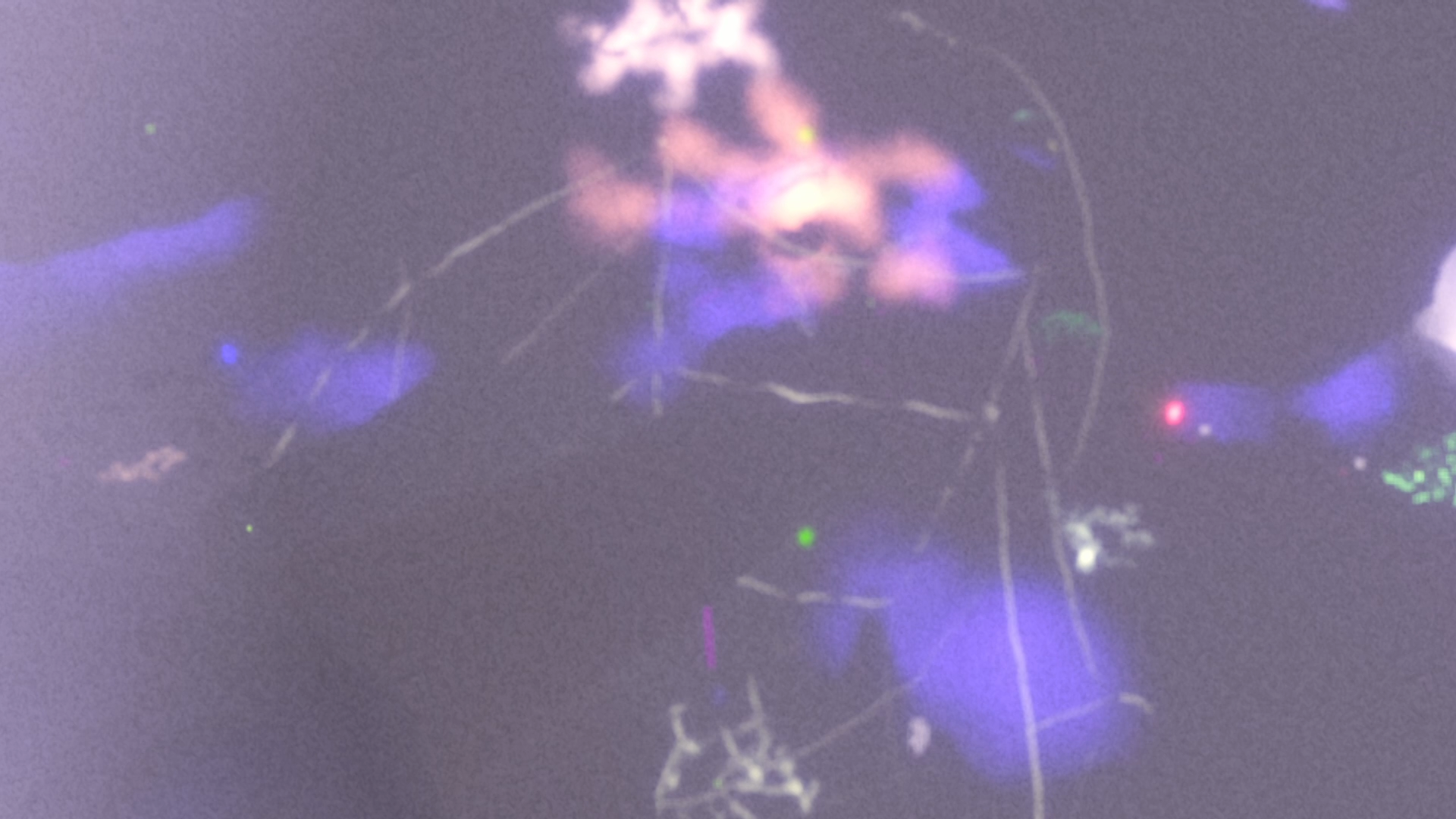
Image 7 Neuroadaptive Atlas: a composite of Gaussian Splat models. These diffractive artifacts form most of the game's metastable, non-binary world
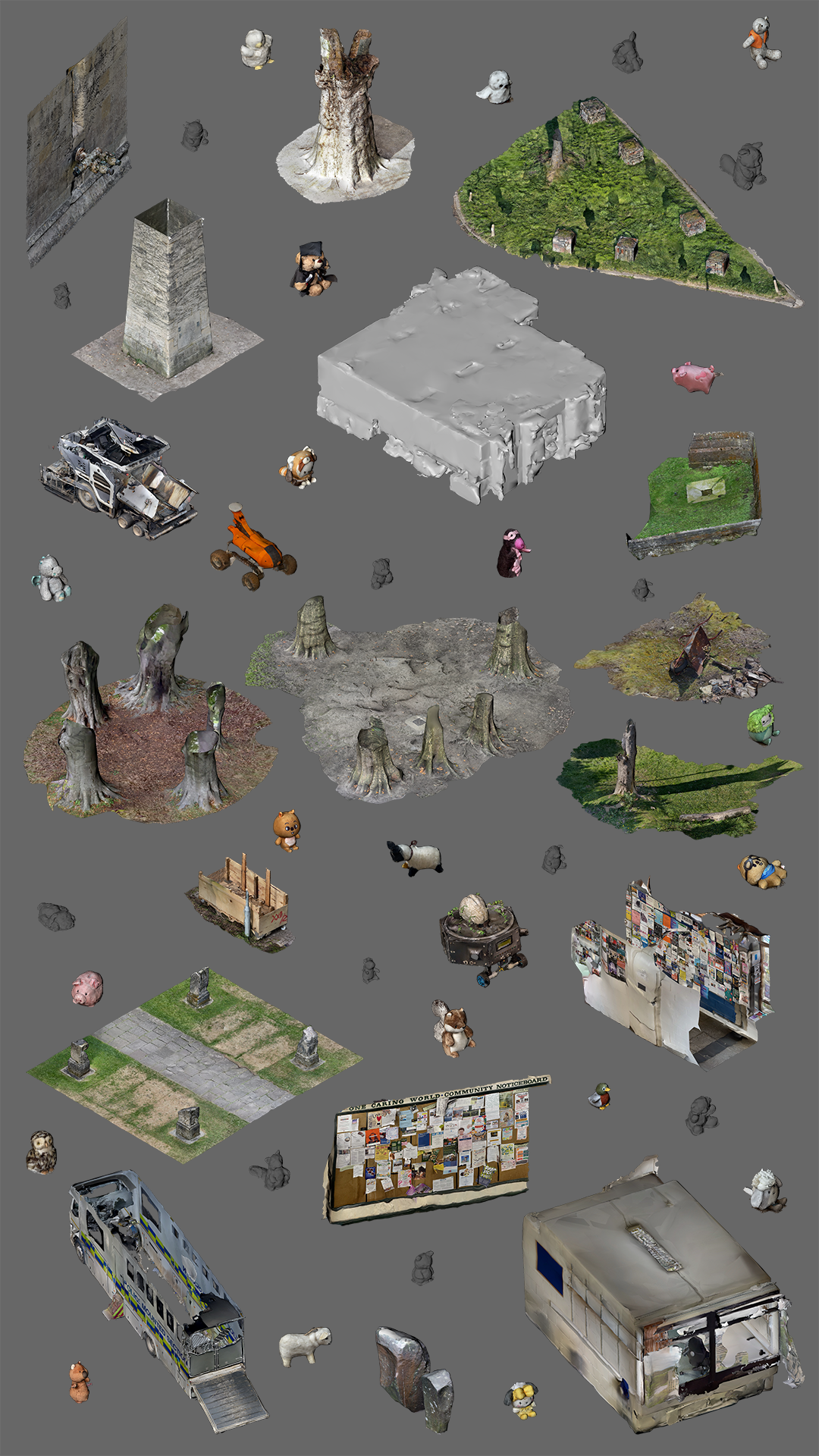
Image 8 Photogrammetries: a visual index of 3D scanned meshes provide the solid base of the game world, contrasting with the Gaussian Splats
The deconstructed, point-cloud-like visuals are the direct result of this diffractive method. The Gaussian Splat structures visually provoke the in-between state, where the world, like neural patterns, is transiently forming and dissolving.
The VR-only prototype tests this hypothesis by audio-visualising the world with livestocks and NPCs (Non-Player Characters) in two states: a stable, coherent Fauna/Humanoid mode (a synchronised brain state) and a spectral, incomplete, and imperfect Metastable mode (the fluid, flexible in-between state) (Images 9, 10).
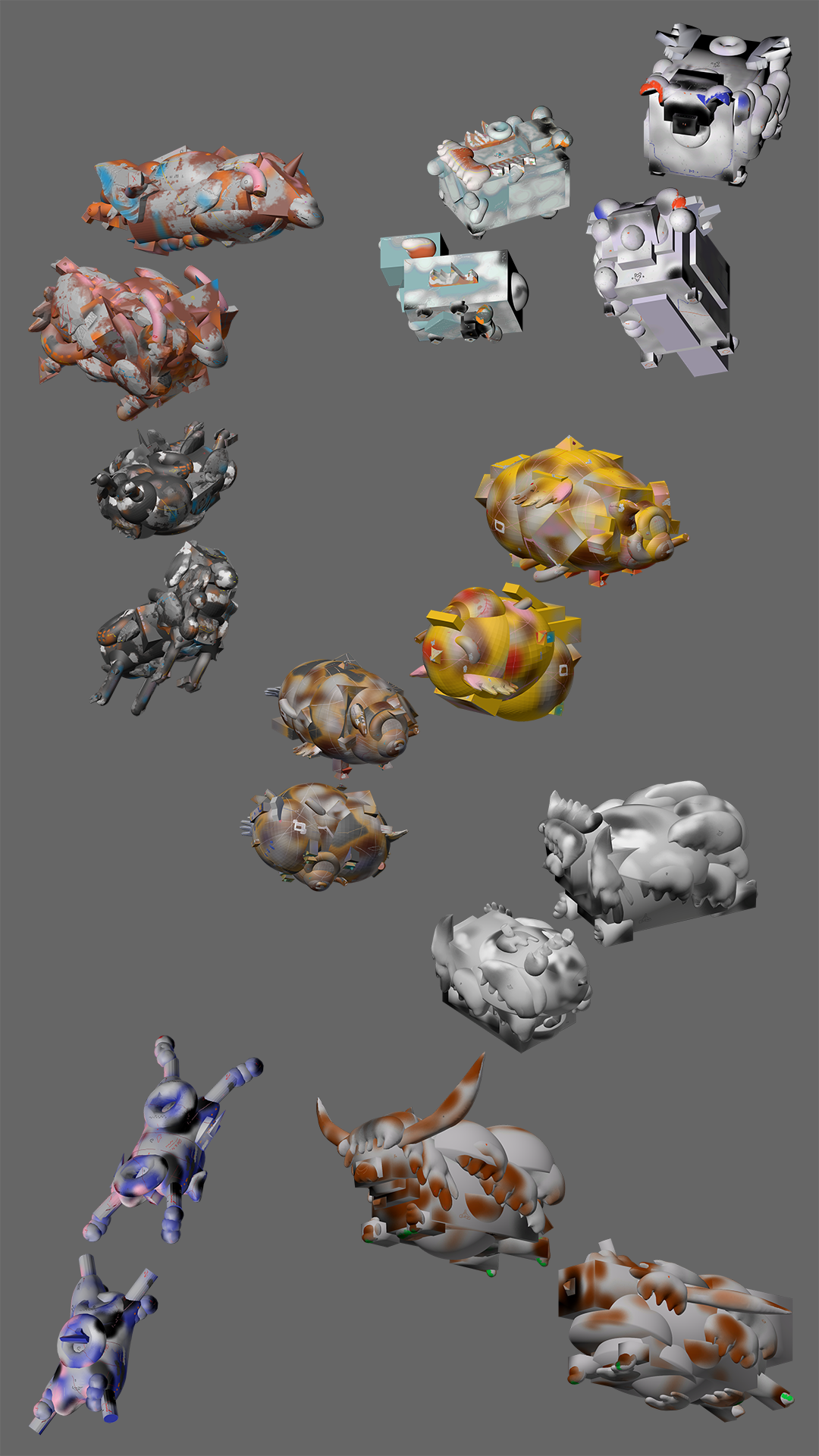
Image 9 Livestock Models: these forms are not static and designed to transiently form and dissolve based on real-time BCI input
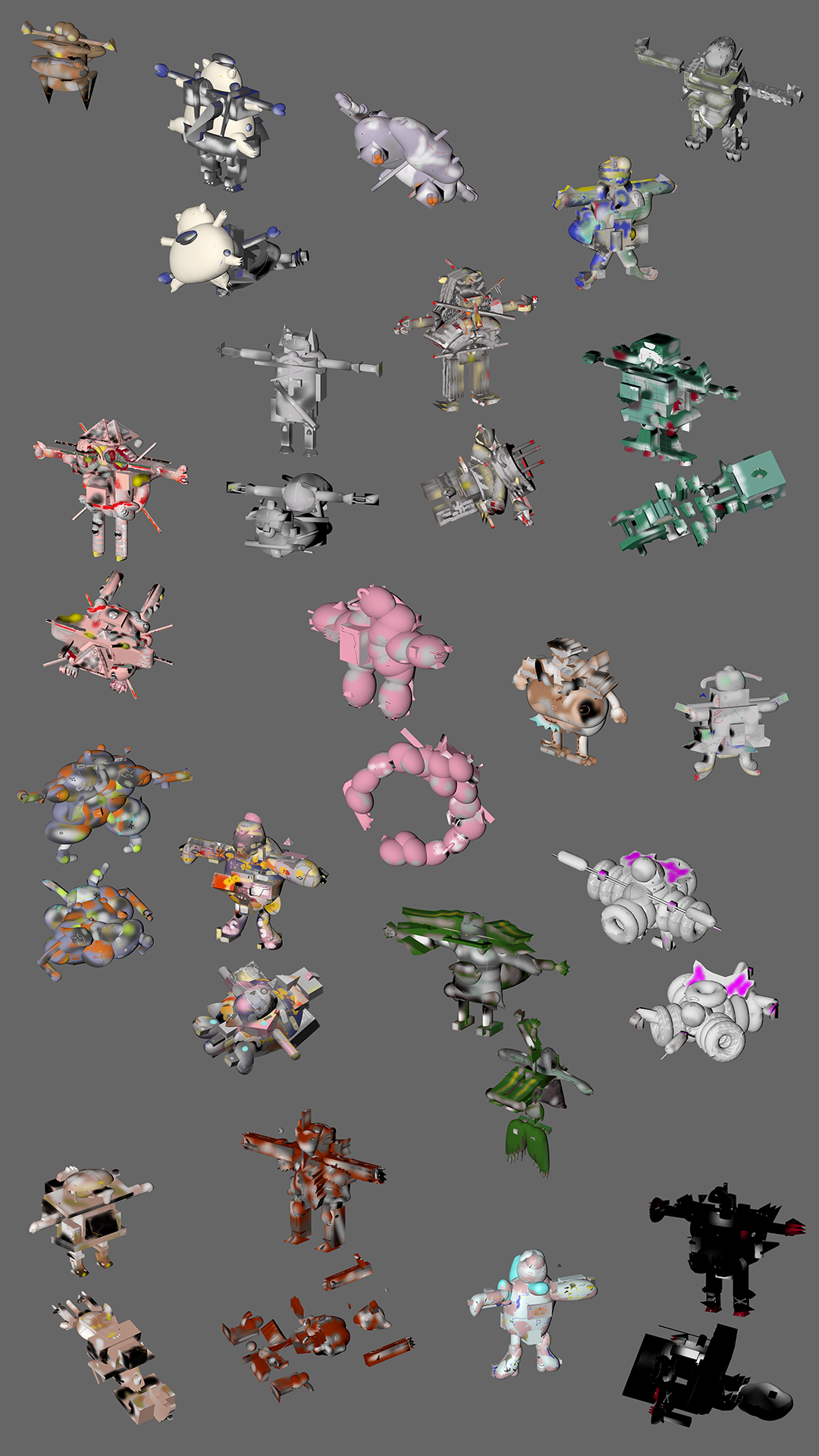
Image 10 Diffractive Agents: an assemblage of NPCs visualising the potential for diverse intra-actions. Each form represents a unique node within the game's metastable network
5. Inclusive and User-Centred Methodology
The project's integrated methodology includes hardware selection, BCI interaction design, and public co-design.
Situated Neuroethics and Hardware Selection
A significant barrier of BCI research is the reliance on hardware that is often user-unfriendly. Most clinical-grade caps are heavy, require uncomfortable conductive gels, and are physically painful often within minutes. When combining an EEG device and a VR headset, it will be more difficult to wear and remove without dedicated staff, creating an intimidating, discomfort, and non-autonomous barrier for participants.
NeuroPatrol necessitates a hardware selection process centred on situated neuroethics: prioritising long-term comfort, autonomy, and psychological safety over clinical precision. Recent reviews highlight that the lack of cost-effective and portable BCI systems for ordinary people remains a primary barrier to societal adoption (Maiseli et al. 2023). The proposed hardware stack, combining a lightweight, wireless, saline-based EEG system, EMOTIV EPOC X with the ultra-lightweight, high-resolution VR headset, Bigscreen Beyond 2, is a design choice (Image 11).
I accept the trade-off of signal noise as necessary for ecological validity: capturing genuine, embodied engagement in real-world settings (homes, artistic workshops, festivals, and museums).
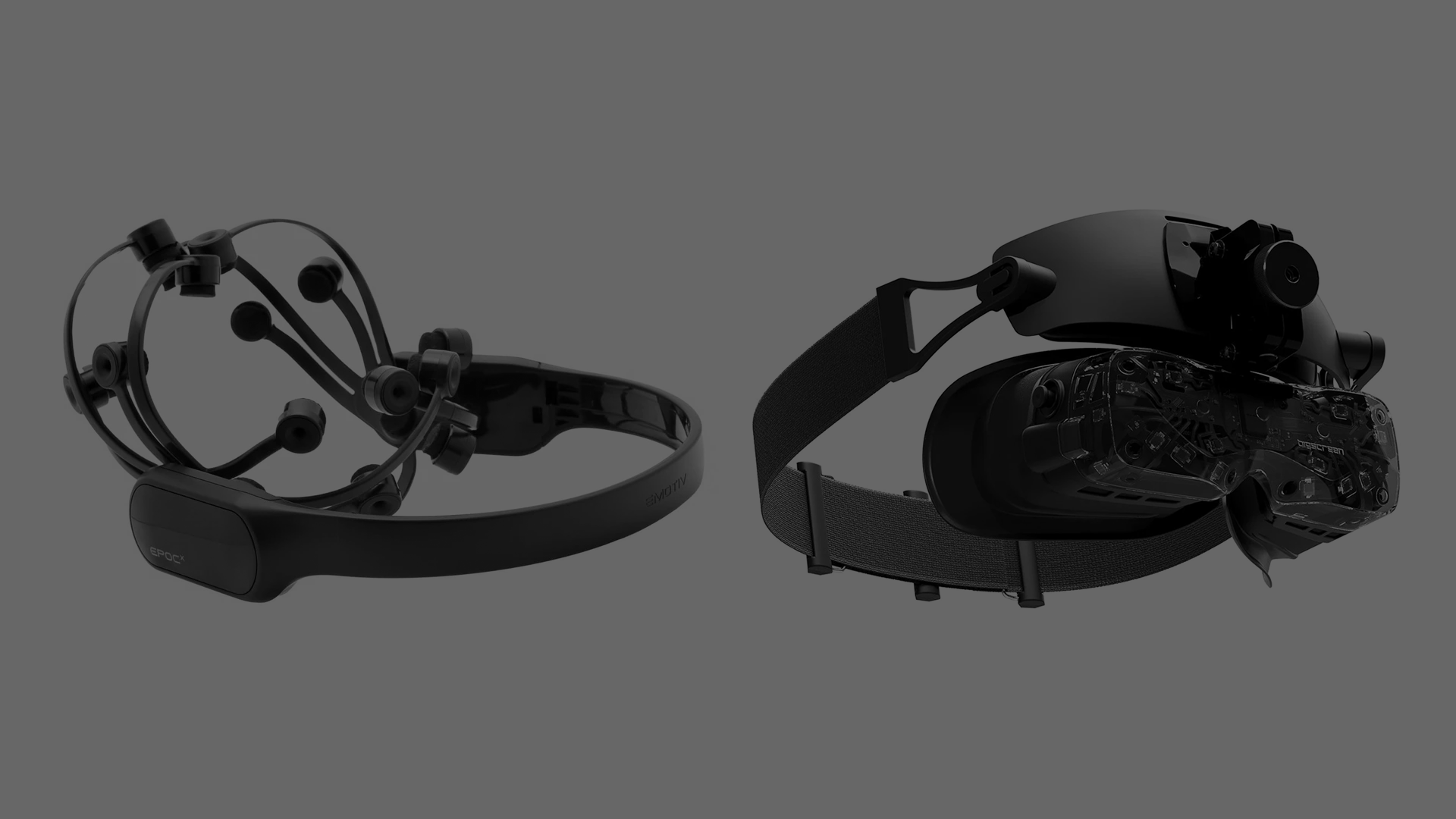
Image 11 NeuroPatrol Hardware: EMOTIV EPOC X - 14 Channel Wireless EEG Headset (left); Bigscreen Beyond 2 Holomount with Universal Face Mask (right), courtesy of EMOTIV and Bigscreen
Non-Binary BCI Design
The BCI integration will be non-binary and passive.
- I will use passive EEG to explore real-time correlates of metastability. Using EMOTIV EPOC X, I aim to calculate an exploratory approximation of heuristic signatures (Hancock et al. 2024) such as variability in global synchrony (akin to std-KOP, reflecting integration) and shifts in spectral power (akin to std-IGNITE, reflecting segregation and flexibility), adapting lab metrics for the noisy, dynamic context of VR gaming.
- These metrics will act as subtle, non-command modulators that tune the game's ecosystem, NPC behaviour, and the metastable aesthetic.
- This approach focuses on affective experiences and a form of "tuning" (Qiang 2023), where the system adapts to non-normative and neurodiverse patterns to create different and aesthetically pleasing feedback.
Research Co-Design & Public Engagement (PPIE)
The BCI mechanics will be guided by community feedback.
- I will use focus groups with neurodiverse individuals (e.g., participants with ADHD and/or autism) and disabled participants to co-design these inclusive mechanics.
- Beyond variability, I will explore the distribution of state dwell times (Hancock et al. 2024) to further distinguish between random noise and genuine metastable switching in user data.
- This co-design process will be used to collaboratively establish a clear code of conduct for biometric data handling.
- A physical robot avatar, "QT-π", will be developed from an in-game NPC to facilitate neurotechnology education in real-world settings (Image 12).
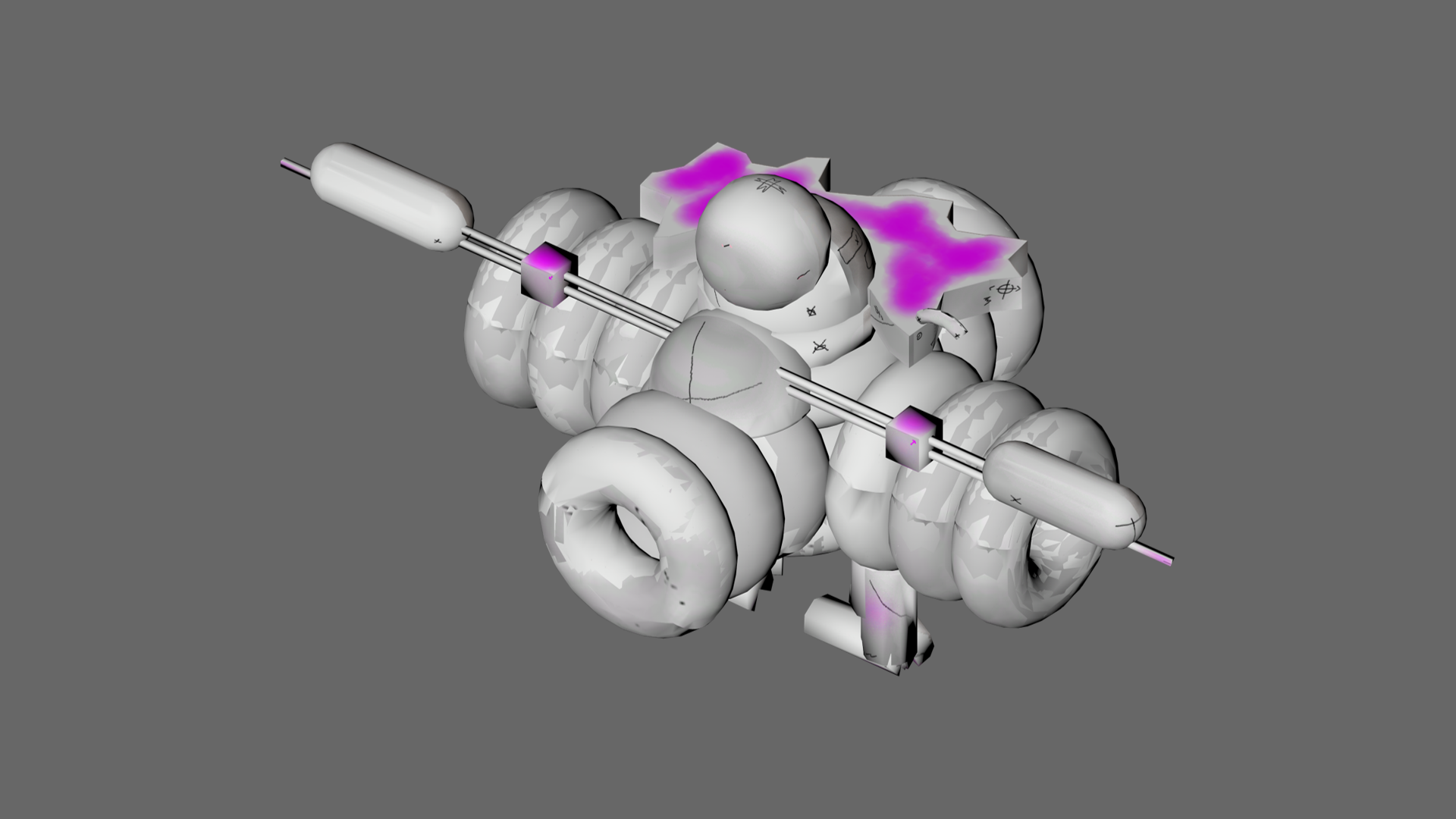
Image 12 NPC Printer, as QT-π in real-world, courtesy of Christopher Cooper
6. References
Alderson, Thomas H., Arun L. W. Bokde, J. A. Scott Kelso, Liam Maguire, and Damien Coyle. 2020. "Metastable neural dynamics underlies cognitive performance across multiple behavioural paradigms." Human Brain Mapping, 41, no. 12 (April 17): 3212–34. doi:10.1002/hbm.25009.#
Barad, Karen. 2007. Meeting The Universe Halfway. Durham: Duke University Press
Breakspear, Michael. 2017. “Dynamic Models of Large-Scale Brain Activity.” Nature Neuroscience 20 (3): 340–52. https://doi.org/10.1038/nn.4497.
Cattan, Grégoire. 2021. "The Use of Brain–Computer Interfaces in Games Is Not Ready for the General Public." Frontiers in Computer Science, 3 (March 24). doi:10.3389/fcomp.2021.628773.
Hancock, Fran, Fernando E. Rosas, Andrea I. Luppi, Mengsen Zhang, Pedro A. M. Mediano, Joana Cabral, Gustavo Deco, et al. 2024. “Metastability Demystified — the Foundational Past, the Pragmatic Present and the Promising Future.” Nature Reviews Neuroscience, December. https://doi.org/10.1038/s41583-024-00883-1.
Kelso, J. A. Scott. 1995. Dynamic patterns: The Self-organization of Brain and Behavior. Cambridge, Mass: MIT Press.
Kelso, J. A. Scott, and Emmanuelle Tognoli. 2009. "Toward a Complementary Neuroscience: Metastable Coordination Dynamics of the Brain." In Downward Causation and the Neurobiology of Free Will, edited by Nancey Murphy, George F. R. Ellis, and Timothy O’Connor, 103–24. Berlin: Springer. https://doi.org/10.1007/978-3-642-03205-9_6.
Kelso, J. A. Scott, and David A. Engstrøm. 2024. The Squiggle Sense. Cham: Springer Nature Switzerland. doi:10.1007/978-3-031-59369-7.
Lotte, Fabien, Yann Renard, and Anatole Lécuyer. 2008. "Self-Paced Brain-Computer Interaction with Virtual Worlds: A Quantitative and Qualitative Study 'Out of the Lab'." Paper presented at the 4th International Brain-Computer Interface Workshop and Training Course, Graz University of Technology, Graz, Austria, September 2008. https://hal.science/inria-00304340.
Maiseli, Baraka, Abdi T. Abdalla, Libe V. Massawe, Mercy Mbise, Khadija Mkocha, Nassor Ally Nassor, Moses Ismail, James Michael, and Samwel Kimambo. 2023. "Brain–computer interface: trend, challenges, and threats." Brain Informatics, 10, no. 1 (August 4). doi:10.1186/s40708-023-00199-3.
Qiang, Jiadong. 2023. "HyperBody: An Experimental VR Game Exploring the Cosmotechnics of Game Fandom through a Posthumanist Lens." Doctoral thesis, Goldsmiths, University of London. https://doi.org/10.25602/GOLD.00034521.
Tognoli, Emmanuelle, and J. A. Scott Kelso. 2014. "The Metastable Brain." Neuron, 81, no. 1 (January): 35–48. doi:10.1016/j.neuron.2013.12.022.
7. Acknowledgements
NeuroPatrol is a practice-based research project conducted at the University of Bath, UK and supported by the university's Enhancing Research Culture Fund 2024-25.
This work is an interdisciplinary effort developed in close collaboration with expert guidance from Harriet Downing, Christopher Cooper, Kamyla Hoayun, Alexander Power, Sudipta Chowdhury, Jack Penny, Yi Wan, Balazs Nyiro, Yue Zhang, and Christopher Clarke.

Download
Install instructions
Current Status & Call for Playtesters
Please Note: NeuroPatrol is an active, ongoing research project.
The build available here is a VR-only alpha prototype designed to test the core game world, mechanics, and the metastable aesthetic.
The next phase of development—the integration of non-binary, passive BCI mechanics—is currently pending the outcomes of our co-design workshops and further funding applications.
I am actively seeking feedback from players, researchers, and individuals interested in our inclusive design goals. If you are interested in playtesting the current VR-only executable and contributing to this research, please contact me directly at jq396@bath.ac.uk for access.

Leave a comment
Log in with itch.io to leave a comment.